
Women in STEM: Lu Tan
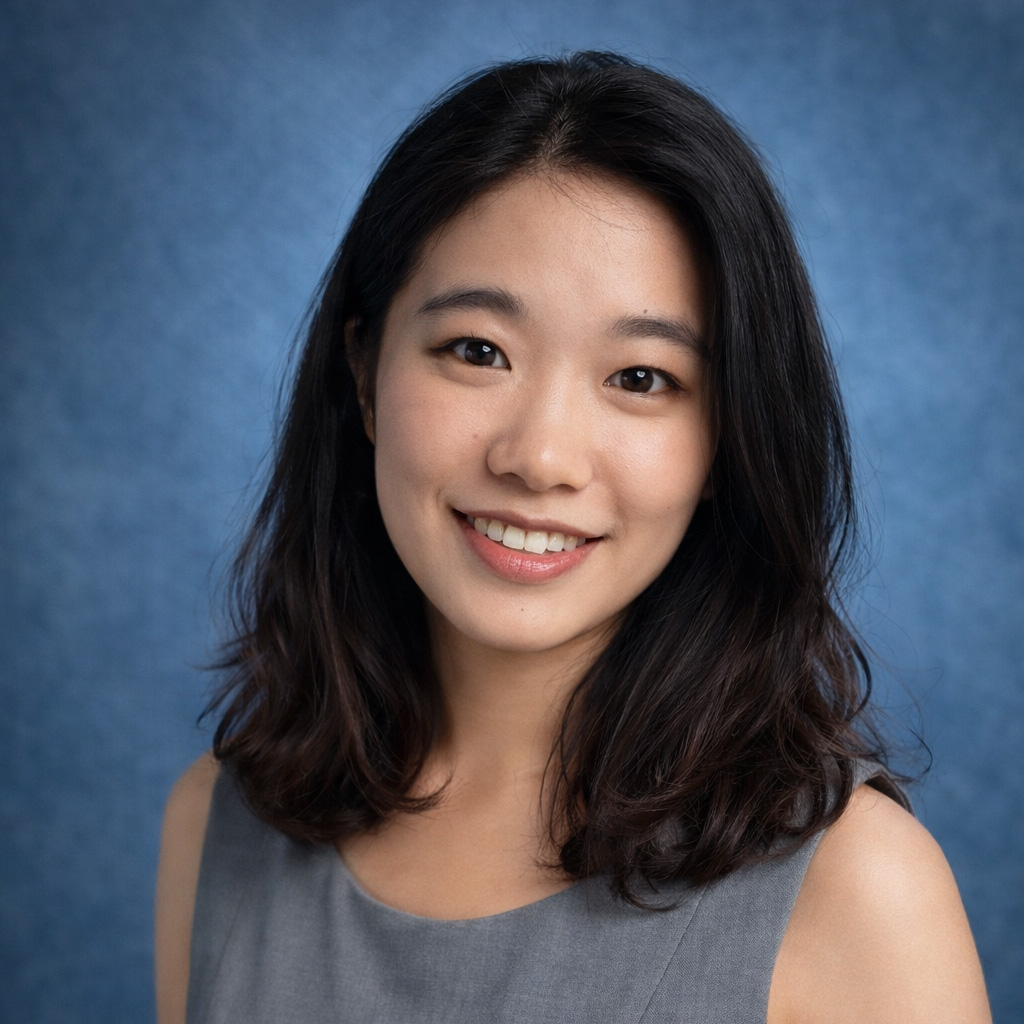
Where are you from?
Hunan, China
What do you like to do for fun?
Listening to music, watching movies, going for walks, and reading books.
What degree are you working towards, and what is your anticipated graduation date?
I am in a PhD program and plan to finish in fall 2027.
Describe your SMART FIRES-related research:
I am a Graduate Research Assistant in the Atmospheric Chemistry Laboratory, where I use our mobile laboratory (the Smokevan) to measure volatile organic compounds, other important tracer gases, particulate matter (PM), and black carbon associated with prescribed fire emissions.
What got you into STEM?
I was always curious about math and science in school. I realized that science can help solve real-world problems, which inspired me to pursue chemical engineering as an undergraduate major. Through that experience, I developed a deeper interest in engineering and scientific research.
How did you go from that initial inspiration to your current research?
I grew up in an area that experienced significant haze and air pollution, which motivated me to learn more about how we measure and understand air quality issues. That interest gradually led me to atmospheric chemistry and my current research.
What challenges have you faced as a woman in STEM circles?
One challenge has been learning to feel confident in environments where people may have very different backgrounds, experiences, or levels of seniority. At times, I doubted whether my ideas were good enough or whether I should speak up. Over time, I learned that confidence does not have to come first. Confidence grows through experience, preparation, and learning to trust yourself.
I have also learned that progress is often more important than perfection. You do not need to have everything figured out before you begin. Asking questions, trying new things, making mistakes, and improving along the way are all important parts of becoming a better scientist and a better person. Reflection is valuable, and it is important to learn from mistakes, but it is equally important not to dwell on them for too long. Instead, focus on what you learned, keep moving forward, and take the next step.
What is your advice for young people in STEM?
Stay curious about the world around you, and do not be afraid to ask questions. You may not know what you want to pursue at the beginning, and that is okay. As you gain more experience, you will learn more about your interests and gradually discover the path that is right for you.
What do you want to do next?
After earning my PhD, I hope to become a research scientist and continue working in atmospheric chemistry and related fields.