
Fire & Smoke Science Team

The Fire & Smoke Science (FSS) team is working to transform how we understand and manage wildland and prescribed fires. Our research focuses on the chemistry of smoke, fire behavior, and air quality impacts—especially in the rural and mountainous regions of Montana and the Mountain West.
As part of the SMART FIRES initiative, we combine field experiments, mobile labs, and advanced sensing technologies to answer critical questions about how fires burn, what they emit, and how those emissions affect people and the environment.
What does the Smoke & Fire Science team do?
Our team is developing new methods to measure and model smoke emissions from prescribed fires, which are increasingly used to reduce wildfire risk. We aim to:
- Quantify emissions factors (EFs) and combustion efficiencies (CEs) across different fuel types and fire conditions
- Characterize smoke chemistry in areas where people live and firefighters work—especially where traditional air monitoring is lacking
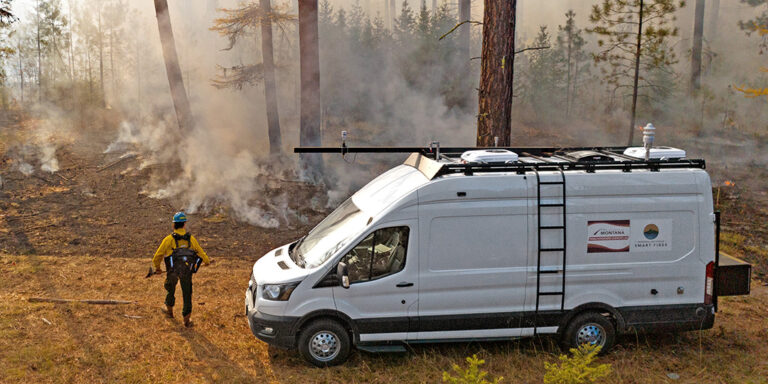
- Deploy mobile laboratories equipped with high-tech instruments to capture real-time data on smoke composition and plume behavior
- Develop and test new spectroscopic tools, including the Cavity Enhanced Raman Spectrometer (CERS), to detect trace gases and understand combustion processes
- Collaborate with other SMART FIRES teams, including Smart Optical Sensors and AI/ML, to integrate data and improve predictive models
Who is on our team?
Led by Lu Hu and Carl Seielstad at the University of Montana, the FSS Team also includes:
- Robert Yokelson (UM)
- Robert Walker (MSU)
- Xiaobing Zhou (Montana Tech)
- 6 graduate students
- 8 undergraduate students
Together, we bring expertise in fire ecology, atmospheric chemistry, remote sensing, and field deployment.
Why do smoke and fire science matter?
Smoke from wildfires and prescribed burns contains particulate matter (PM), ozone (O₃), and hazardous air pollutants (HAPs)—some of which are poorly understood and difficult to monitor. Our work helps:
- Improve air quality models by providing better data on emissions and smoke behavior
- Support safer prescribed burns by identifying when and where to burn for minimal smoke impact
- Protect public health by understanding exposure risks in communities and firelines
- Validate and enhance smart sensors used across SMART FIRES research
What are some highlights of our impact?
- Developed a mobile smoke lab with 3D aerosol imaging and gas-phase pollutant sensors
- Constructed and tested the CERS instrument for high-sensitivity smoke analysis
- Created a prescribed fire classification framework to generalize emissions data across landscapes
- Sampled smoke from multiple prescribed burns to establish baseline emissions data
- Provided critical data for improving regional air quality models and fire management strategies
Who are our collaborators?
We work closely with:
- The Smart Optical Sensors (SOS) team to co-deploy instruments like ASPI and lidar
- The AI/ML team to integrate smoke data into predictive models
- The Cyberinfrastructure team to ensure our data is accessible and usable across SMART FIRES
Related News
Internal
-
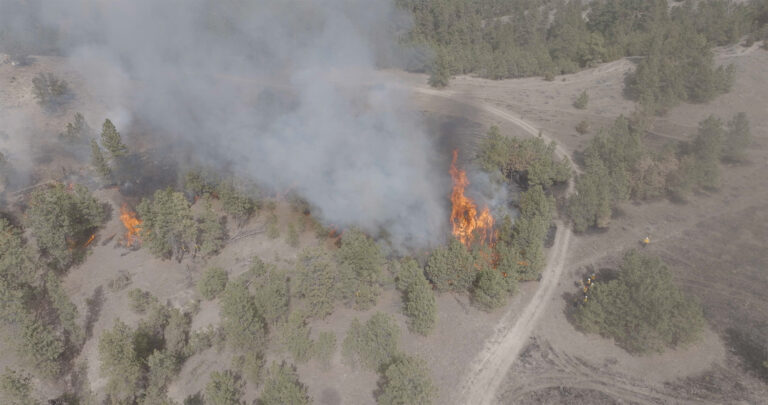
College Students Gain Hands-On Experience During Prescribed Burn Near Billings
Last spring, students from City College at Montana State University Billings stepped beyond the classroom and onto the fireline, gaining firsthand experience during a prescribed burn at the private O’Donnell Ranch near Billings. Led by Billings Fire Department Captain, Bureau…
-
Women in STEM: Lu Tan
Where are you from? Hunan, China What do you like to do for fun? Listening to music, watching movies, going for walks, and reading books. What degree are you working towards, and what is your anticipated graduation date? I am in a PhD program and…
-
UM Smokevan Progress Report: Updated Insights From a Year of Field Deployments
Inside the University of Montana’s “Smokevan”: A Mobile Lab Transforming Prescribed Fire Smoke Research The Smokevan—a mobile air quality lab built and operated by the University of Montana—brings atmospheric science directly to the edge of prescribed fires. During burn operations…
-
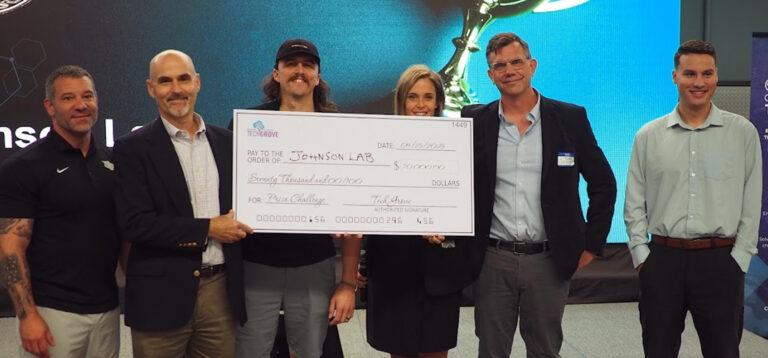
Advancing Prescribed Fire Training Through Immersive Simulation
Johnson’s Lab, a team of graduate students led by Jesse Johnson, Professor of Computer Science at the University of Montana, took first place in the Virtual Wildfire Modeling & Immersive Training Prize Challenge. The competition was hosted by Central Florida…
-
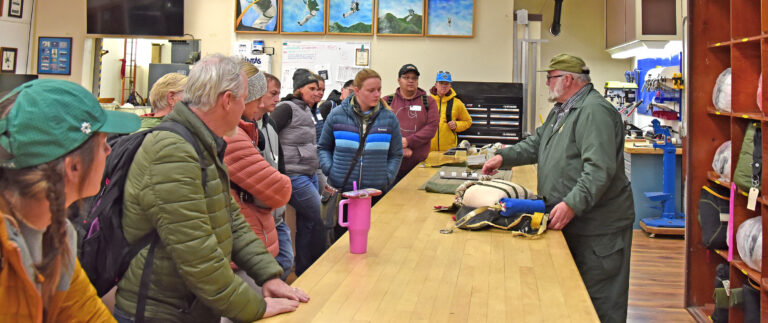
Fire Science Field Day: Educators Explore Wildfire Mitigation in Montana
As part of the Montana Federation of Public Employees 2025 Educator Conference, SMART FIRES hosted a Fire Science Field Day in Missoula on October 17. The full-day event welcomed 11 educators from across the state to explore how locally relevant…
-
SMART FIRES Undergraduate Joseph Knudsen Highlighted by University of Montana
The UM News service has written a piece highlighting SMART FIRES undergraduate Joseph Knudsen. Joseph works with Dr. Lu Hu in the Fire & Smoke Sciences research thrust. Get to know Joseph, his career goals, and his work on the…

External
-
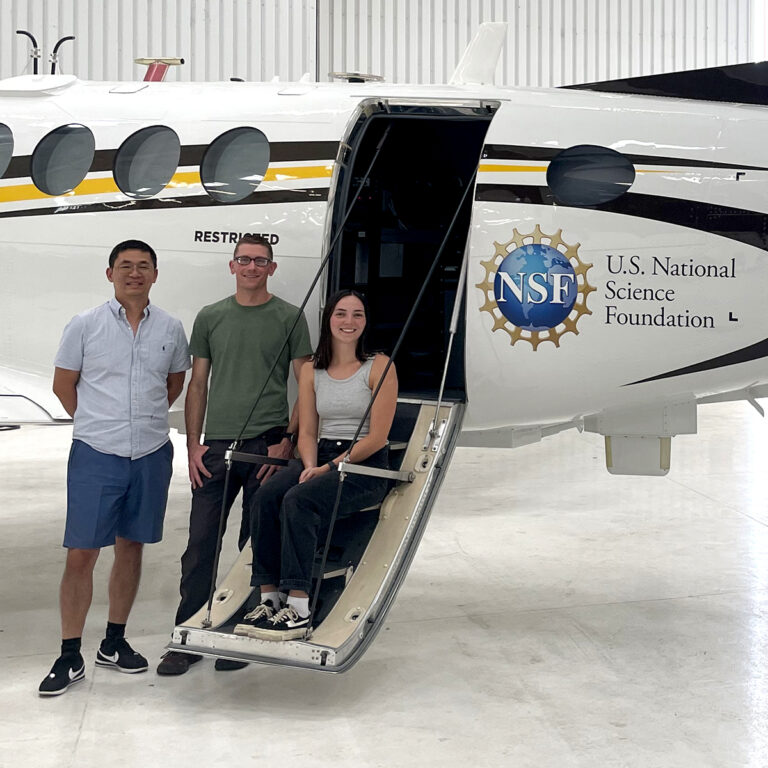
Researchers take flight over Salt Lake Valley to trace ozone, urban air quality
September 12, 2026
Laramie Boomerang
-
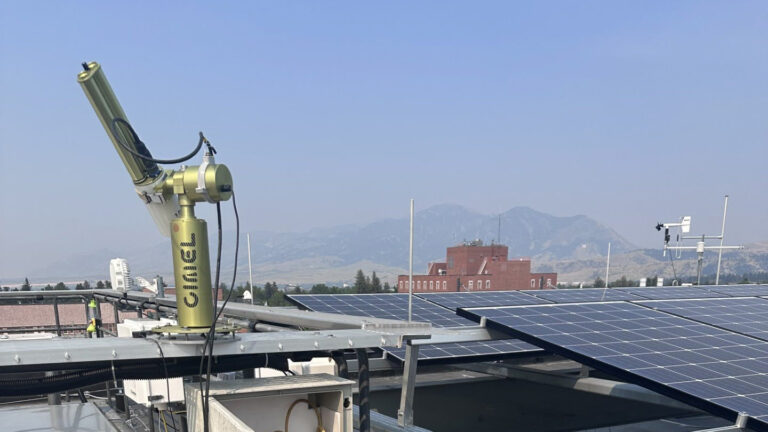
Fighting fire with fire: Montana researchers study how prescribed fires can improve wildfire outlooks across the west
September 3, 2026
Bozeman Daily Chronicle
-
Montana middle schoolers to tackle wildfire resilience through Montana State University partnership
August 21, 2026
KBZK (Bozeman)
-
-
Montana State doctoral student wins Women in Optics scholarship
July 1, 2026
Montana State University News
-

-
Montana State to host citizen science event on April 21 during Earth Week
April 17, 2026
Montana State University News
-
UM Doctoral Student Research Provides Insight Into Wildfire Smoke, Human Health
March 3, 2026
University of Montana News
-

‘Deeply Meaningful’: UM Names First Female Dean of W.A. Franke College of Forestry
January 30, 2026
University of Montana News
-
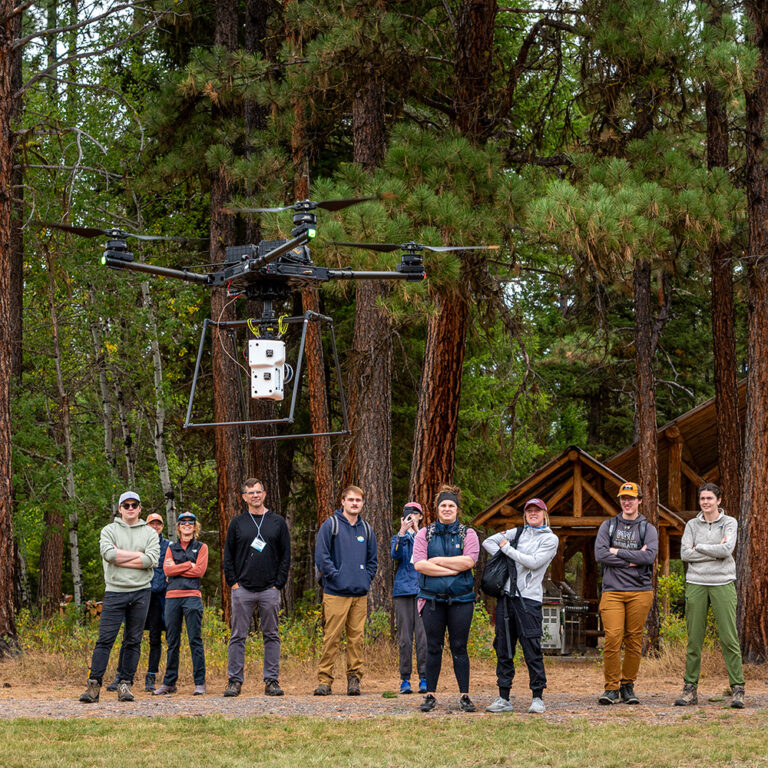
Expansive prescribed fire research project brings Montana scientists together
December 5, 2025
Montana State University News