Citizen Science
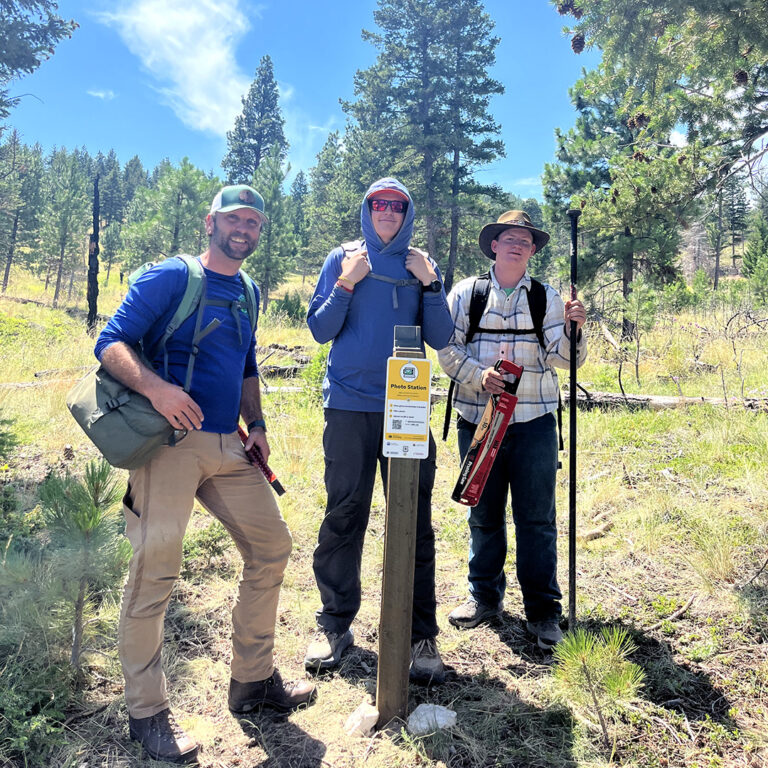
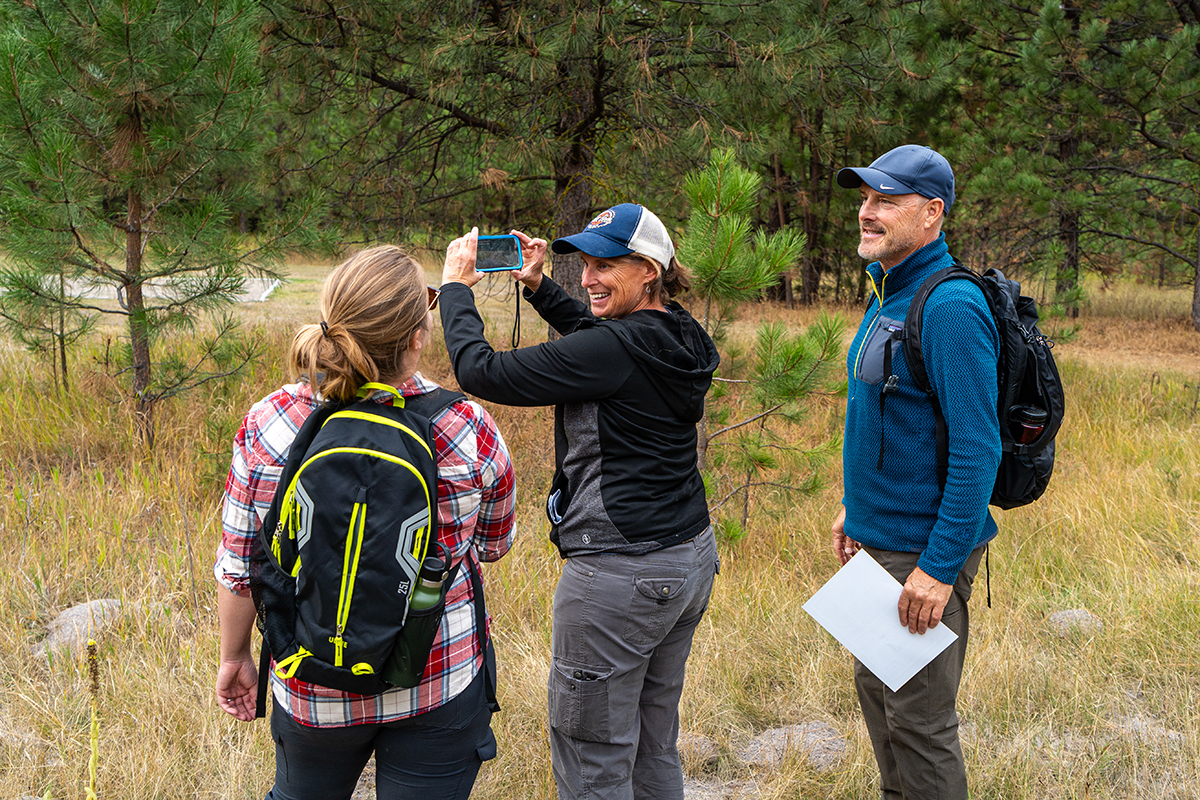 Suzi Taylor (holding phone) shows colleagues how to use the Global Observer TREES app at Lubrecht Experimental Forest
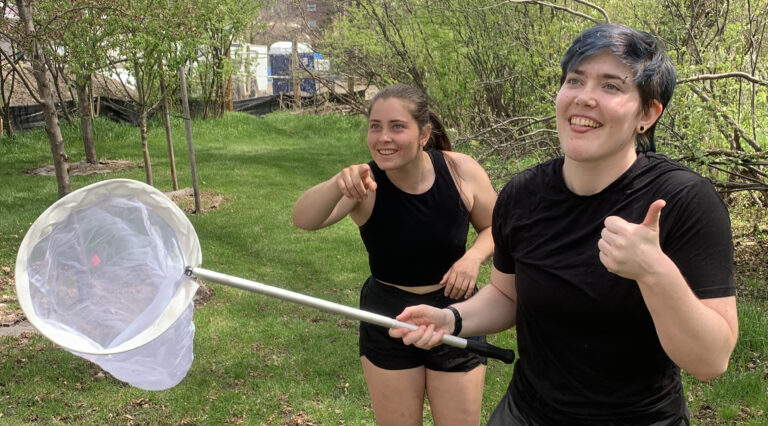
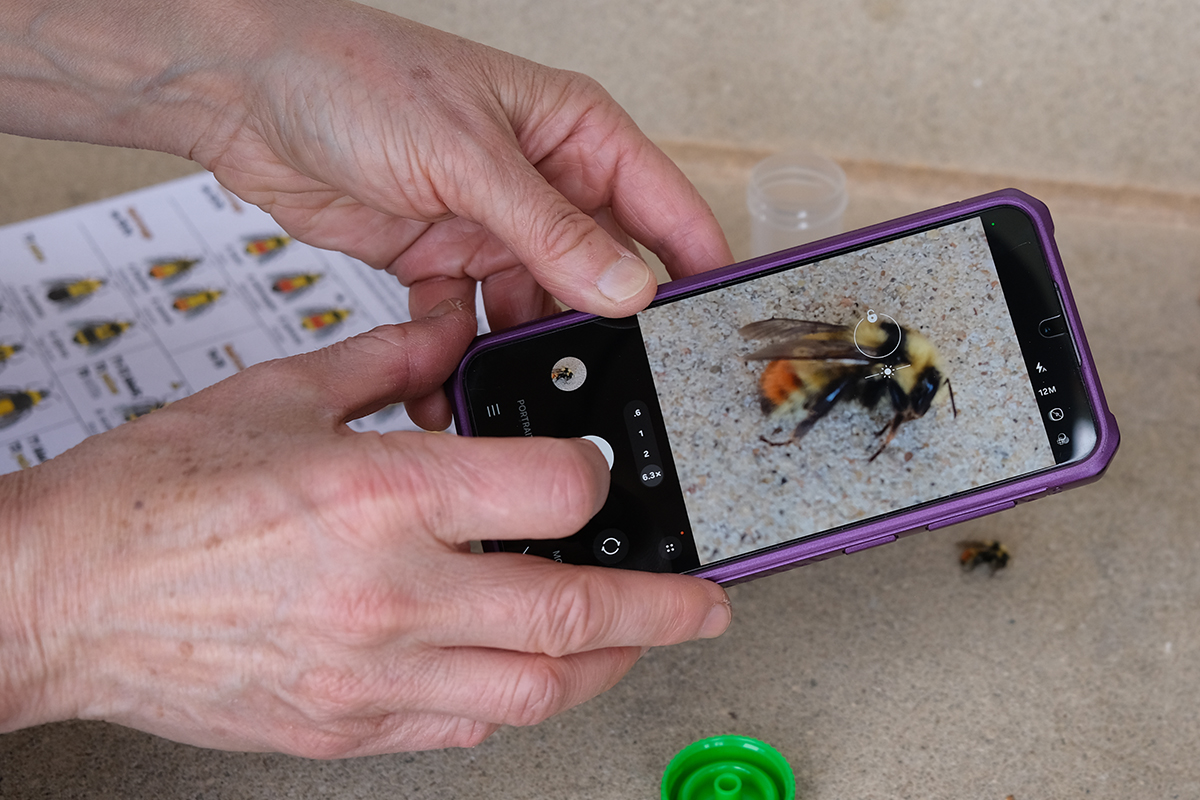 A participant in a Bozeman citizen science event photographs a chilled bee for submission to the Bumble Bee Atlas
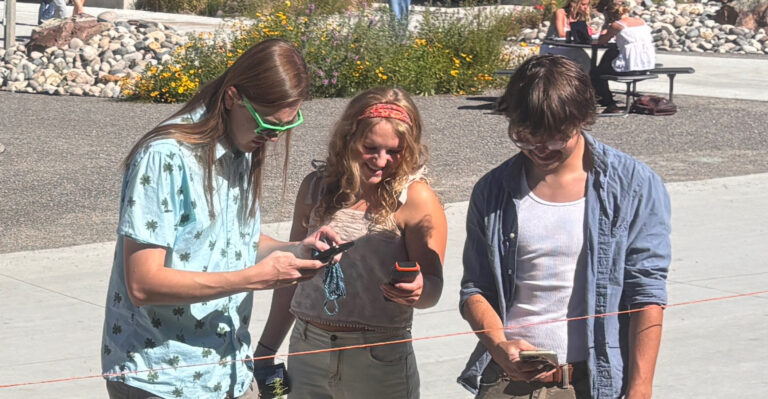
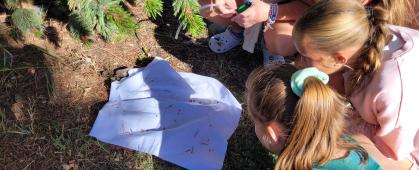
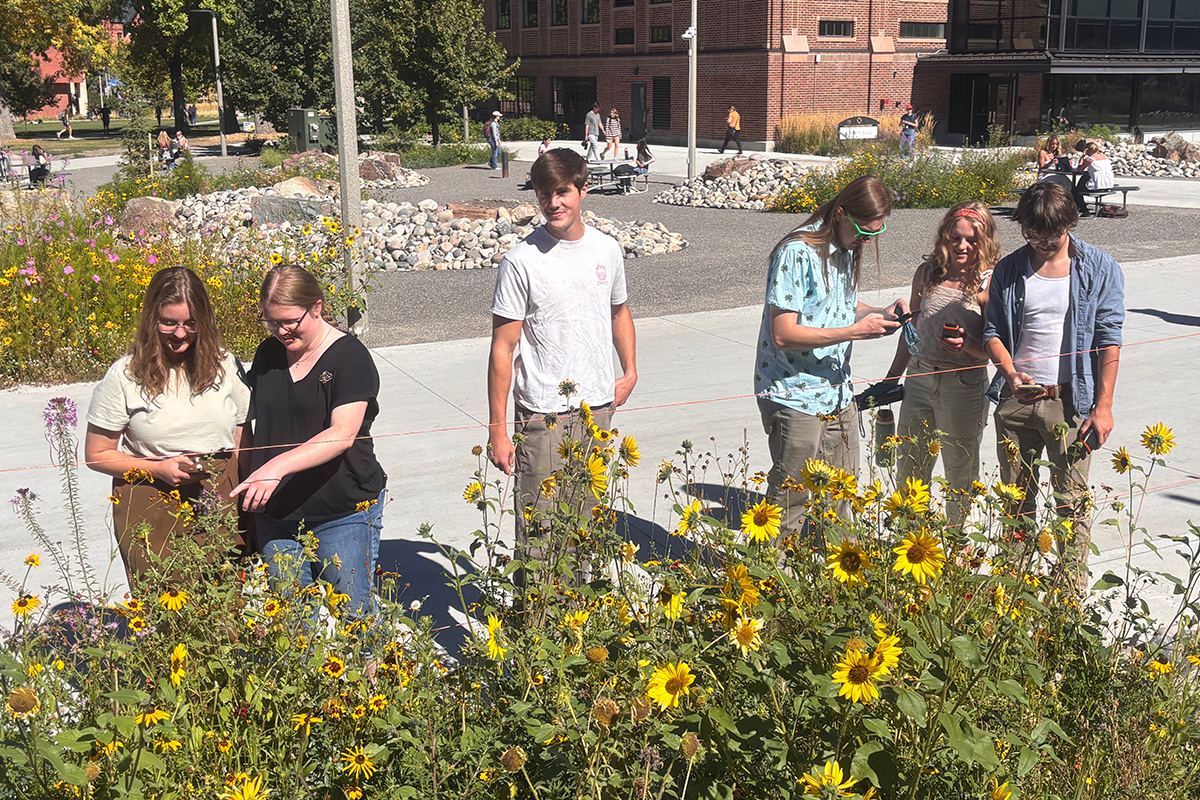 Science education students at Montana State University pilot-test air quality instruments as part of a course unit on citizen science
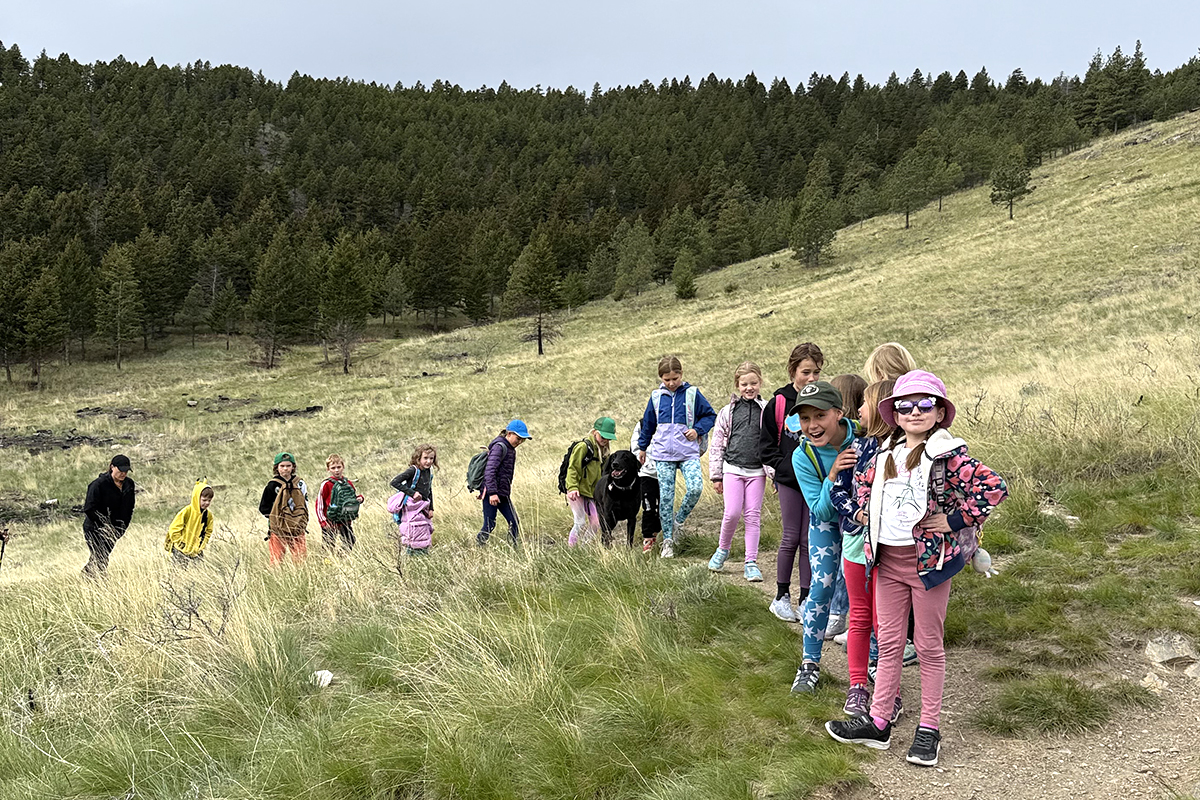 Helena teacher Libby Kenney’s class completed a NASA cloud observation through GLOBE Observer
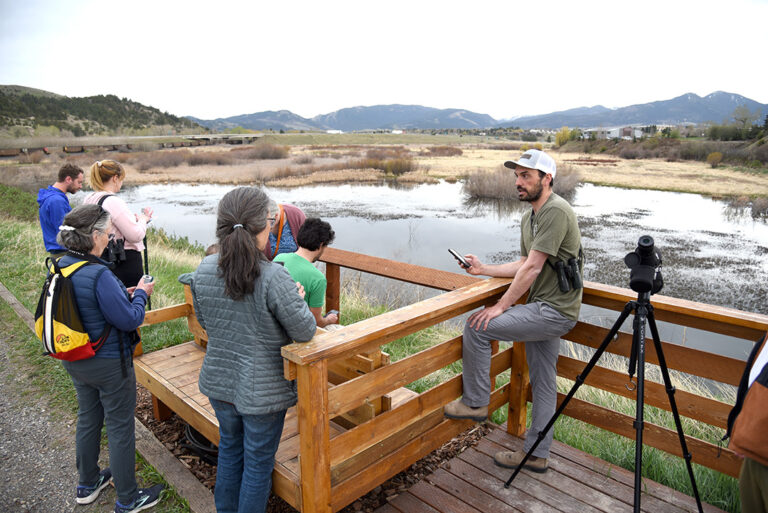
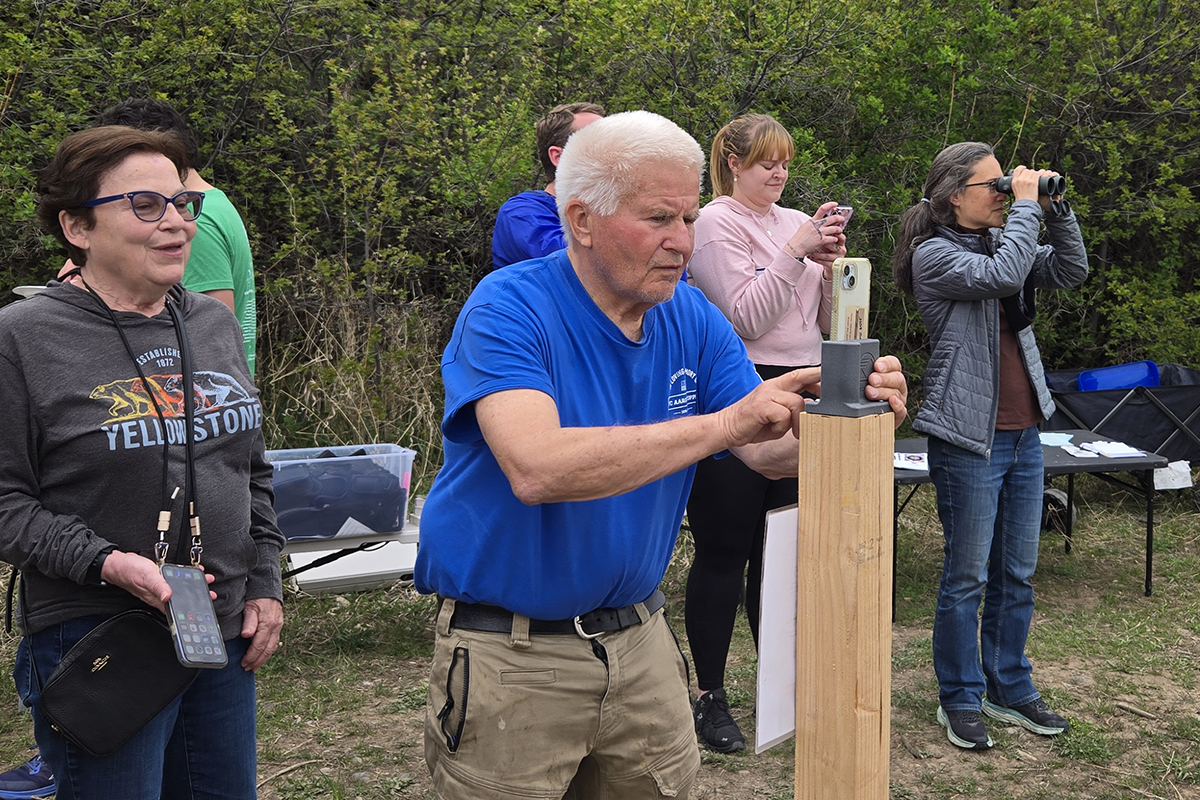 Citizen Science Month was celebrated at Indreland Audubon Wetland Preserve with the launch of a new Chronolog station
SMART FIRES is developing a statewide citizen science program that empowers Montanans to contribute to environmental research and monitoring. The project is building a network of community partners—including libraries, senior centers, educators, and other organizations—to support participation across the state.
Ultimately, the program will provide opportunities for residents to collect and share air quality data, helping increase understanding of wildfire smoke impacts while contributing valuable information for research, education, and community decision-making. Data and project findings will be shared through publicly accessible online resources and reports.
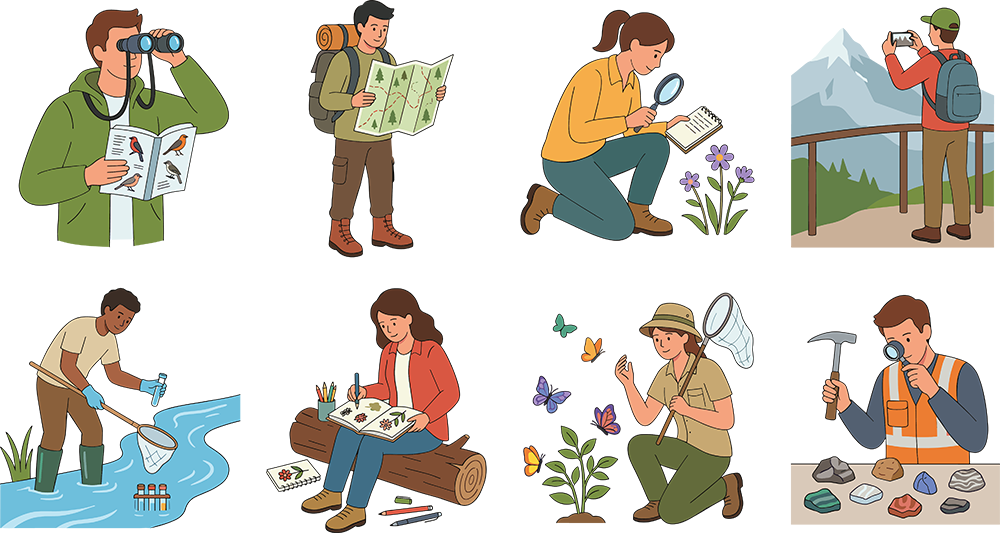
Join the Montana Citizen Science Network!
Subscribe to receive our quarterly e-newsletter and stay connected to citizen science opportunities across Montana. Published by the Montana State University Science Math Resource Center, the newsletter highlights ways to get involved in community-based research, shares success stories, and provides updates on projects and events. You may unsubscribe at any time.
Chronolog Stations
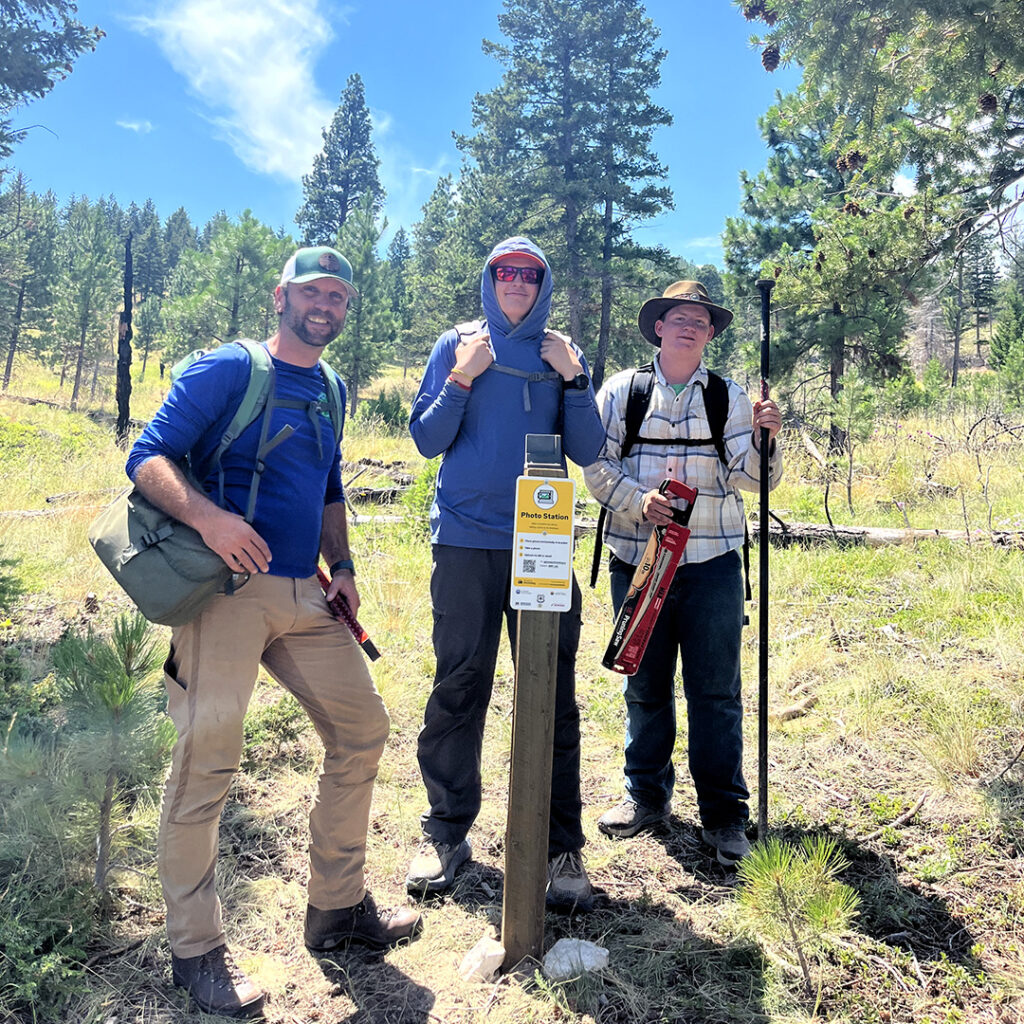
A simple way to document environmental change is by taking repeat photographs from the same location over time. Chronolog makes this easy with a fixed phone mount, brief instructions, and an online platform where photos are automatically compiled into a timelapse. These visual records can help track changes in vegetation, water levels, snow cover, forest conditions, and more, while complementing other environmental data such as air quality and weather observations.
SMART FIRES has installed two Chronolog stations in Montana. The Mandeville Creek @ MSU station on the Montana State University campus documents seasonal changes along an urban creek corridor, and the Rodney Ridge station near Helena captures the effects of forest restoration and prescribed fire treatments on a wildfire-prone landscape. By taking a photo during your visit, you can contribute to a growing citizen science dataset that helps researchers, land managers, and communities better understand environmental change over time.