
Artificial Intelligence & Machine Learning Team

The Artificial Intelligence & Machine Learning (AIML) team develops cutting-edge artificial intelligence and machine learning tools to help researchers and fire managers make better decisions about prescribed burns, smoke impacts, and wildfire risk. As a cross-cutting thrust within SMART FIRES, AIML supports all other research teams by turning complex data into actionable insights.
What does the AIML team do?
We build and apply AI/ML models to:
- Predict wildfire spread and smoke emissions
- Assess risk and optimize prescribed fire planning
- Analyze hyperspectral imagery to classify fuels and burn severity
- Model public sentiment and decision-making behavior
- Fill in missing data from damaged or obstructed sensors
- Support real-time, resource-efficient data processing
Why is AI/ML important for wildfire science?
Wildfire and smoke data are:
- High-volume (from drones, sensors, satellites)
- Complex (multi-modal, noisy, and dynamic)
- Time-sensitive (needed for rapid decisions)
AI/ML helps us process this data efficiently, uncover patterns, and make predictions that improve safety, resilience, and environmental outcomes.
Who is on the AIML team?
Led by Dr. John Sheppard (Montana State University), the AIML team also includes:
- Bradley Whitaker (MSU)
- Jesse Johnson (University of Montana)
- Lucy Owen (UM)
- Michael Wojnowicz (MSU)
- Tim Price (Flathead Valley Community College)
- 2 new faculty hires
- 1–2 postdoctoral researchers
- 7 graduate students
- 18 undergraduate students
What kinds of models are being developed?
We use a range of advanced techniques:
- Neural networks and sparse learning for risk modeling
- Continuous Time Decision Networks (CTDN) for fire planning
- Surrogate models for emissions prediction
- Deep learning and NLP for sentiment analysis
- Probabilistic interpolation for missing sensor data
- Multi-modal learning to integrate diverse data sources
How does AIML support other SMART FIRES teams?
- Works with Smart Optical Sensors (SOS) to fuse sensor data
- Collaborates with Fire & Smoke Science (FSS) to model emissions
- Supports Social Psychology, Economics & Ethics (SPEE) in analyzing public sentiment
- Partners with the Cyberinfrastructure (CI) team to manage and share data
What are some key accomplishments so far?
- Developed baseline models for wildfire spread and air quality
- Published multiple conference papers on hyperspectral image classification
- Created a machine learning framework for predicting fire perimeters
- Built tools to assess social media sentiment during fire events
- Contributed to the SMART FIRES data lake and research visibility efforts
How is AIML helping with risk assessment?
We’re building models that:
- Simulate fire spread under different conditions
- Estimate emissions and air quality impacts
- Optimize prescribed burn timing and location
- Incorporate uncertainty and community response into planning
How does AIML address ethical and social concerns?
- Models are designed to be interpretable and responsible
- We study how trust in AI-generated data affects decision-making
- We collaborate with social scientists to ensure equitable outcomes
- We develop tools for communicating risk and benefits to diverse audiences
What’s next for the AIML team?
- Expand real-time classification tools for field deployment
- Integrate foundational climate models (e.g., Microsoft Aurora)
- Improve air quality predictions using Gaussian processes
- Support new faculty and graduate students in AI/ML research
- Continue publishing and sharing tools with the broader community
Related News
Internal
-
Undergraduate Researcher Spotlight: Isaiah Wilson
When Isaiah Wilson first joined SMART FIRES as an undergraduate researcher, he was looking for opportunities to apply his growing skills in computer science and data analysis. What he found was a project that not only challenged him technically but…
-
Advancing Prescribed Fire Training Through Immersive Simulation
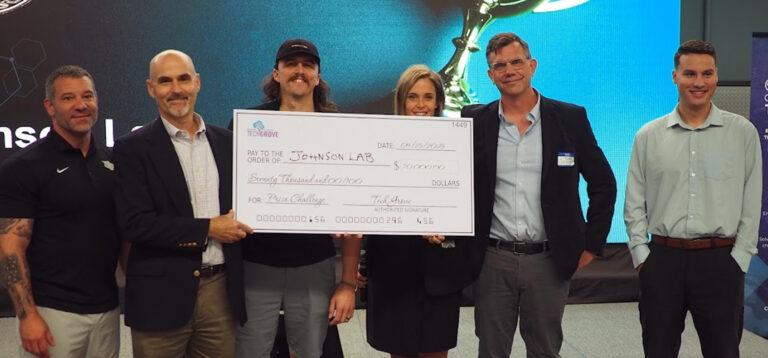
Johnson’s Lab, a team of graduate students led by Jesse Johnson, Professor of Computer Science at the University of Montana, took first place in the Virtual Wildfire Modeling & Immersive Training Prize Challenge. The competition was hosted by Central Florida…
-
Women in STEM feature: Dr. Anh Nguyen
Where are you from? I’m originally from Ho Chi Minh City, Vietnam. What do you like to do for fun? I love cooking Vietnamese foods and playing badminton when I’m indoors. Outdoors, I enjoy exploring new hiking trails, checking out…
-
Interview with Dr. Jacob Downs: New UM Computer Science Hire
Dr. Jacob Downs is a new associate professor in computer science at the University of Montana. With a background in machine learning and numerical modeling regarding environmental systems he is excited to engage with SMART FIRES researchers and inspire the…
-
A Conversation with Maggie Epstein: Large Language Models in Fire Science and Bridging the Firefighter–Researcher Gap
Maggie Epstein is a second year PhD student in the Fire Center at University of Montana where she also received her master’s degree. She comes from a wildland fire fighting background and worked on a rappel crew in northern Idaho….
-
Women in STEM Feature: Lucy Owen
Where did you grow up? I grew up in Kentucky. I was born in a very rural part of Kentucky, and that’s where I spent the first several years of my life before I moved to the big city of…


External
-
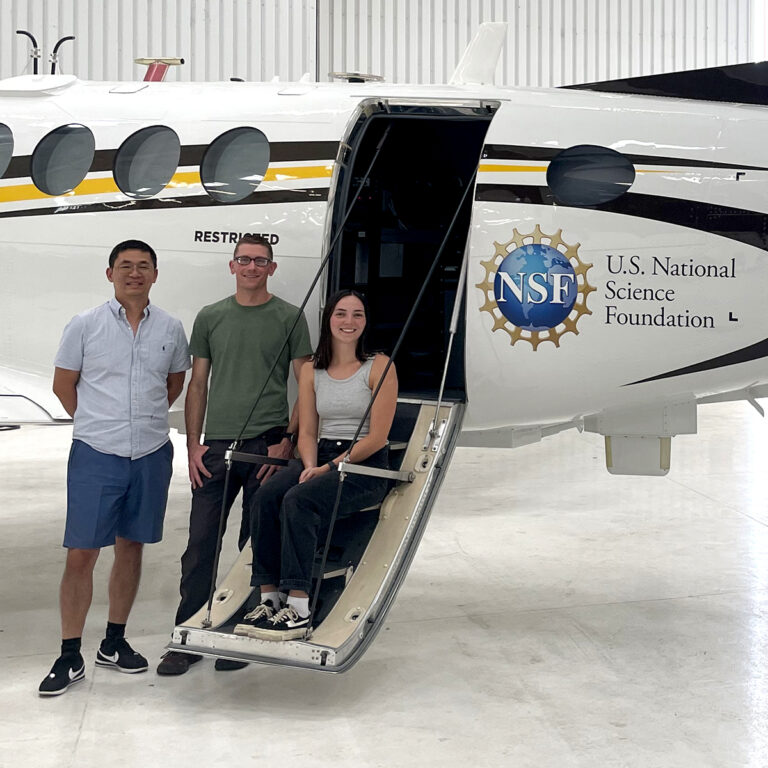
Researchers take flight over Salt Lake Valley to trace ozone, urban air quality
September 12, 2026
Laramie Boomerang
-
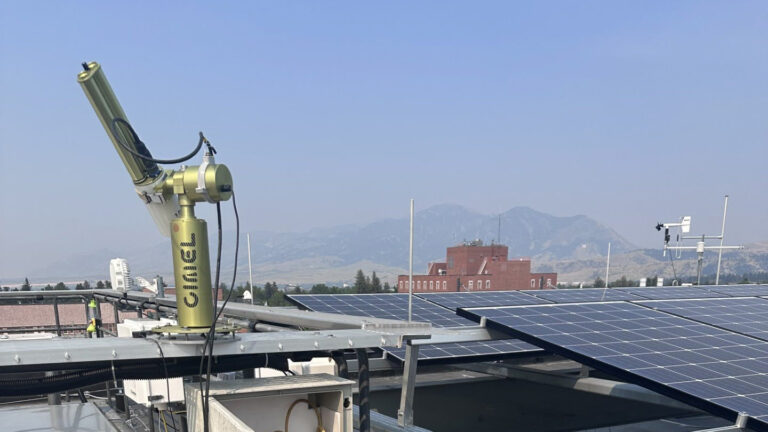
Fighting fire with fire: Montana researchers study how prescribed fires can improve wildfire outlooks across the west
September 3, 2026
Bozeman Daily Chronicle
-
Montana middle schoolers to tackle wildfire resilience through Montana State University partnership
August 21, 2026
KBZK (Bozeman)
-
-
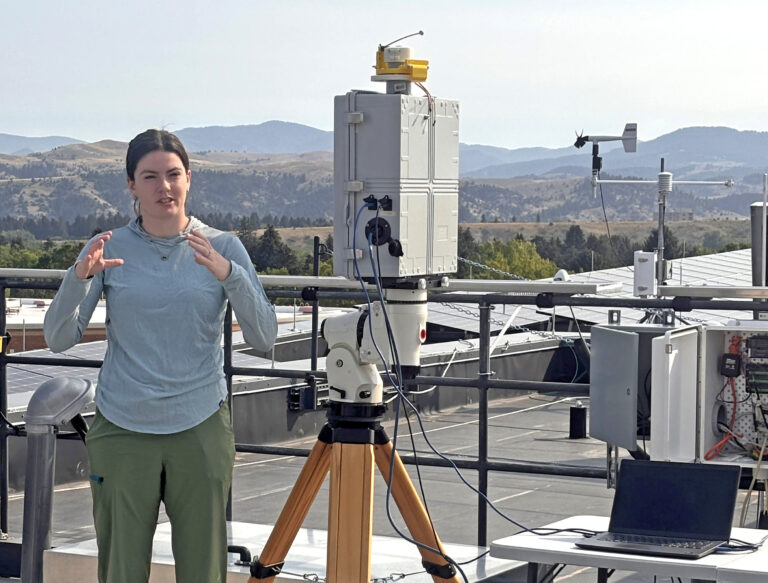
Montana State doctoral student wins Women in Optics scholarship
July 1, 2026
Montana State University News
-
-
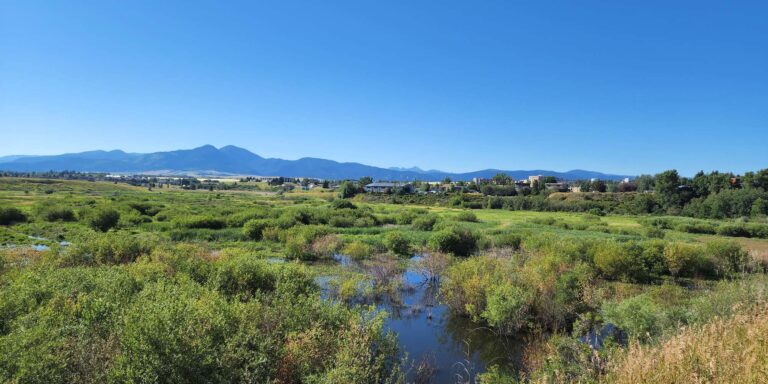
Montana State to host citizen science event on April 21 during Earth Week
April 17, 2026
Montana State University News
-
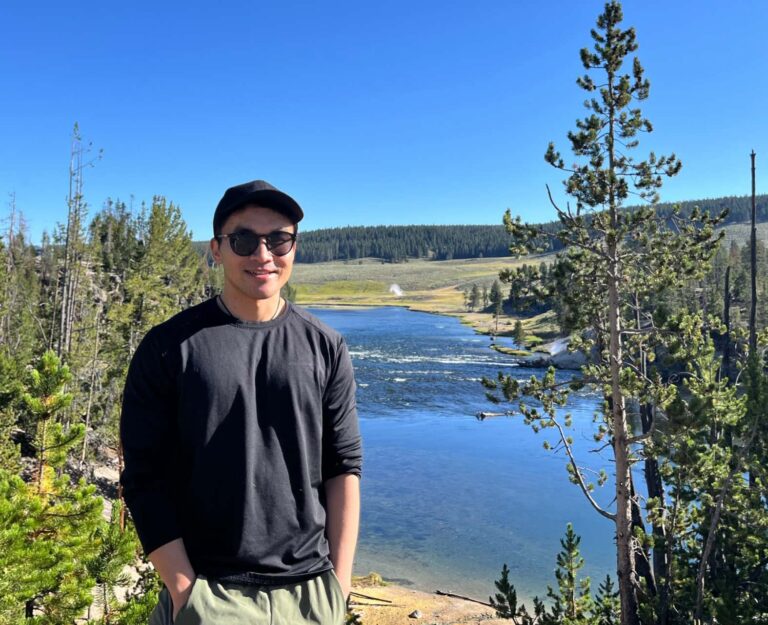
UM Doctoral Student Research Provides Insight Into Wildfire Smoke, Human Health
March 3, 2026
University of Montana News
-
‘Deeply Meaningful’: UM Names First Female Dean of W.A. Franke College of Forestry
January 30, 2026
University of Montana News
-
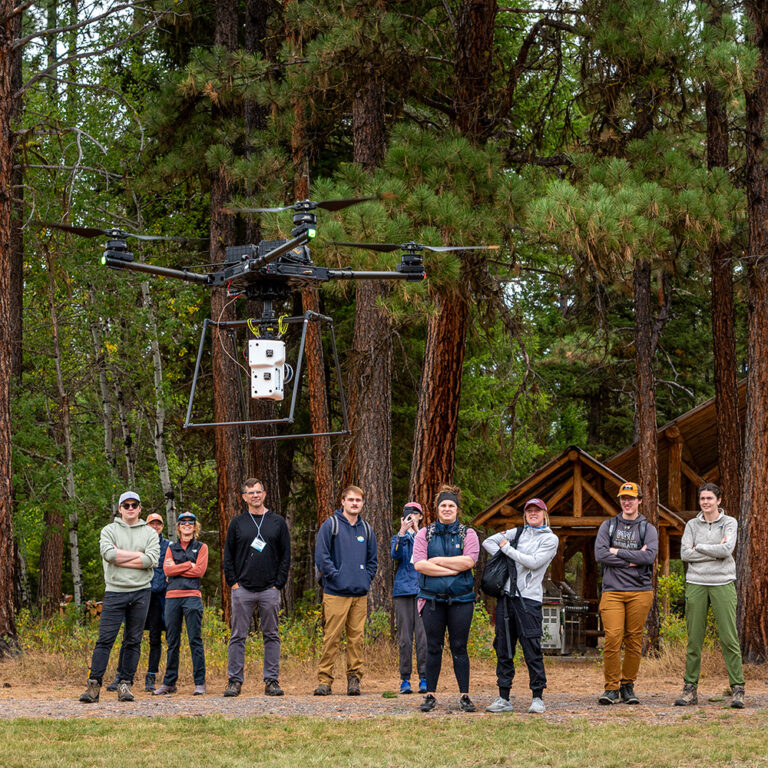
Expansive prescribed fire research project brings Montana scientists together
December 5, 2025
Montana State University News