
Think Like a Fire Scientist Program Engages Bozeman Fifth Graders
SMART FIRES was invited by five fifth-grade teachers at Meadowlark Elementary and Morning Star Elementary in Bozeman to bring fire science concepts into their classrooms.
In June, SMART FIRES team members visited the schools to lead a hands-on program focused on wildfire science, prescribed fire, and the tools scientists use to study fire behavior.
Students explored the differences between wildfires and prescribed fires through discussions and video demonstrations. By comparing footage of both types of fire, they learned how prescribed burns are carefully planned and managed to reduce excess fuels, improve forest health, and help lower the risk of more severe wildfires.
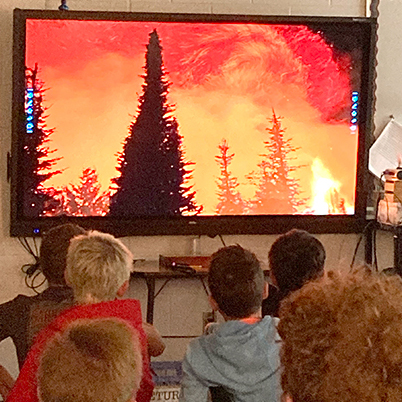
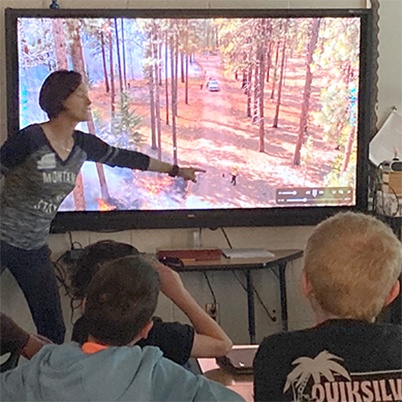
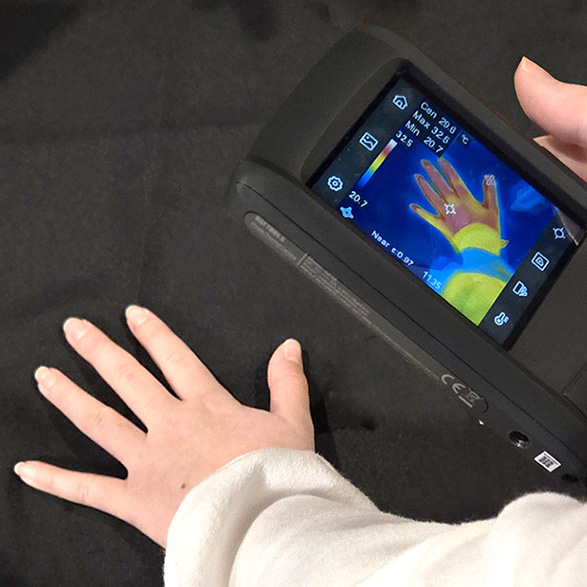
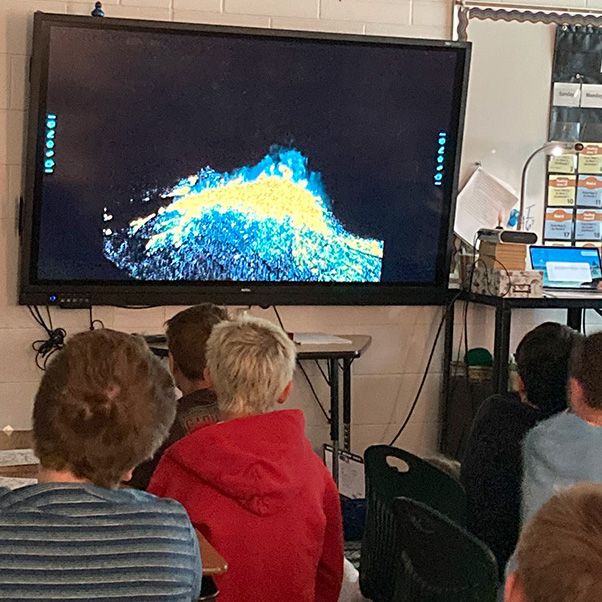
To connect classroom learning with real-world fire science, students investigated how sensors detect changes in the environment. The lesson began with simple toys that use motion and sound sensors, challenging students to make observations and develop hypotheses about how the sensors worked. Students then had the opportunity to use thermal imaging cameras, similar to those mounted on drones used to monitor prescribed burns and wildfires, and explore how fire crews and researchers can use thermal imagery to observe heat that is not visible to the human eye.
The lesson concluded with students making Fire Ready Forest bracelets. Using colored beads to represent living vegetation, dead and dry fuels, fire, firefighting personnel, and firebreaks, students learned what makes a forest more resilient to fire and how fuel management and planning contribute to safe and effective prescribed burns.
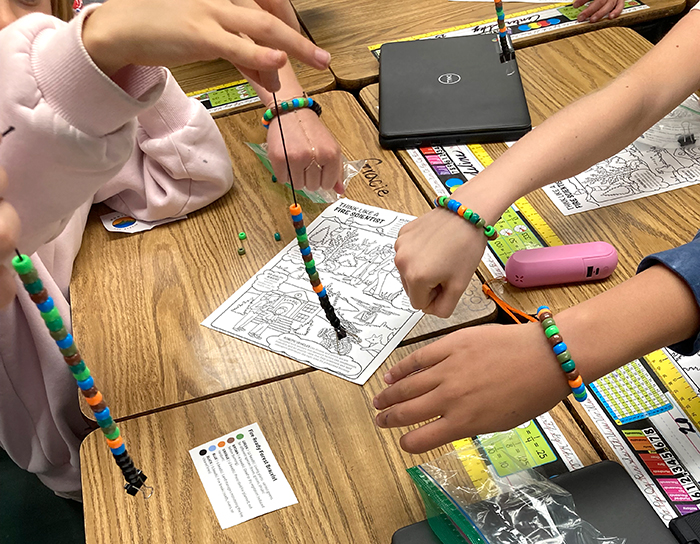
Each participating classroom received a copy of the Think Like a Fire Scientist activity sheet along with a companion classroom poster, giving teachers and students resources to continue exploring fire science after the program.
Through hands-on investigations, scientific observation, and interactive demonstrations, students practiced thinking like fire scientists while gaining a deeper understanding of the role fire plays in healthy forest ecosystems and how prescribed fire can be used as a land management tool.