
Year 3 Highlights 2026
SMART FIRES Year 3
Welcome to this special issue of the Montana NSF EPSCoR newsletter, highlighting our Year 3 (August 2025-July 2026) activities and progress for the SMART FIRES project (Sensors, Machine Learning, and Artificial Intelligence in Real Time for Fire Science). SMART FIRES is a five-year, $24 million collaborative research project (NSF award OIA-2242802). Our mission is to develop and deploy innovative technologies that deepen our understanding of prescribed fire behavior and its impacts on Montana’s communities and decision-makers.
To achieve this, our research is structured across four key focus areas:
- Fire and Smoke Science (FSS)
- Smart Optical Sensors (SOS)
- Artificial Intelligence and Machine Learning (AIML)
- Social Science, Economics and Ethics (SPEE)
Additional teams support cyberinfrastructure and data management, education and workforce development, broadening participation, and communications and outreach.
Director’s Update
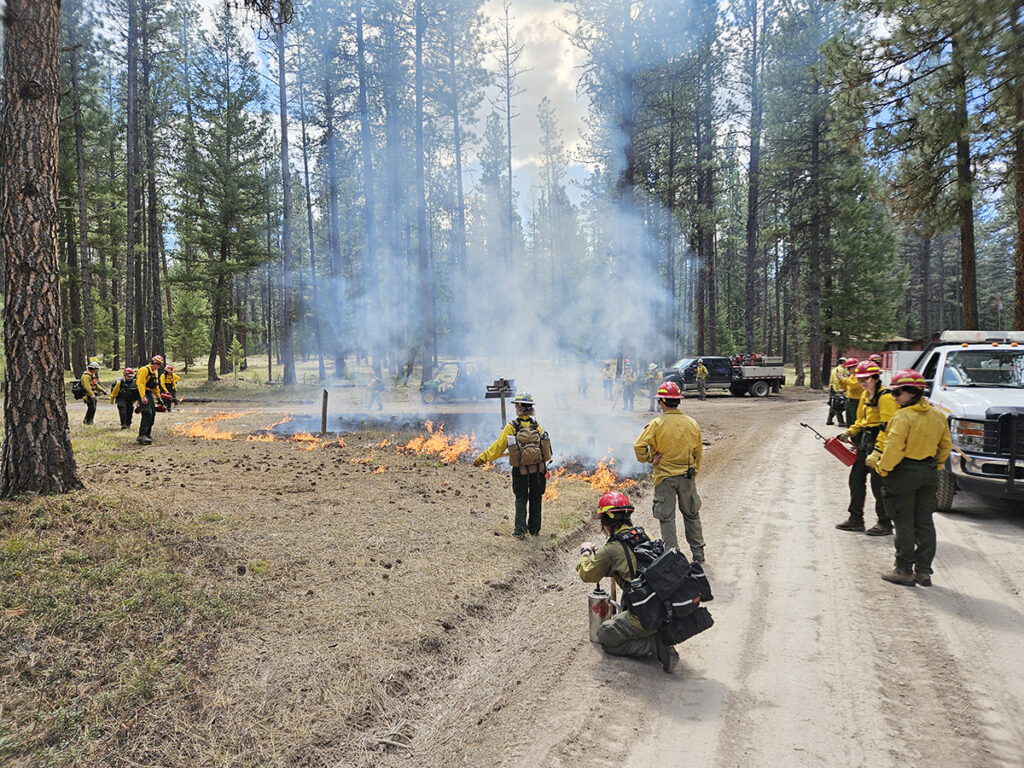
Year 3 (Y3) was significant for SMART FIRES as the project passed its halfway point and completed its NSF virtual Reverse Site Visit with flying colors. The year was peppered with highlights including:
- A vibrant All-Hands Meeting in Bozeman last September, featuring community and industry partner panels, graduate student workshops, and demonstrations of the new smart optical sensors being developed by the SOS (Smart Optical Sensors) Team.
- Thirteen prescribed fires conducted in collaboration with several different partners. These burns integrated workforce training opportunities, including the second annual Women in Wildfire Workshop and Prescribed Fire Training Exchange. In total, 54 individuals from dozens of organizations took part in SMART FIRES-led activities.
- The Cyberinfrastructure Team launched the Big Data Sharing Platform, a statewide resource that is strengthening research collaboration and expanding the impact of SMART FIRES activities.
- The Broader Impacts Team updated and published its Montana K-12 Educator Needs Assessment Survey Report. University researchers, outreach programs, school leaders, and professional development providers use the report to identify educator interests, barriers to professional development, and opportunities to connect Montana’s research enterprise with classrooms and communities.
SMART FIRES also supported an unprecedented number of seed awards in Y3, including development grants for early-career faculty and postdoctoral researchers, research seed grants that advance new fire-related investigations, and awards supporting two-year, four-year, and Tribal colleges across the Montana University System. Several of these projects are highlighted elsewhere in this newsletter.
Late in Y3, SMART FIRES researchers Lu Hu, Carl Seielstad, and Bob Yokelson at UM learned that NSF granted support through the Integrative and Collaborative Education and Research (ICER) and Geosciences Directorates for their new three-year project focused on improving nighttime fire behavior predictions. The project will combine satellite observations with ground-based and aircraft measurements to better understand fire intensity and behavior after dark.
We also welcomed Assistant Professor Charles Murphy to Montana State University’s AIML (Artificial Intelligence & Machine Learning) Team. His expertise in formal methods, logic, and automated reasoning will help advance smart risk assessment models for prescribed fire planning.
As Y4 gets underway, we look forward to gathering in Missoula for our September All-Hands Meeting and preparing for the NSF site visit anticipated in spring 2027. Thank you for your continued dedication and contributions to SMART FIRES.
Professor Rob Walker, SMART FIRES Project Director
rawalker@montana.edu
Year 3 Participants & Outcomes
138 Participants:
- 41 Faculty
- 37 Graduate Students & Postdocs
- 38 Undergraduate Students
- 22 Staff
26 Partners & Collaborators
117 Scholarly Outputs:
- 49 Publications
- 53 Presentations
- 15 Other Products
21 External Engagements
SMART FIRES Partners and Collaborators
- Blackfoot Challenge
- Bozeman Field School
- Climate Smart Missoula
- Council for American Indian Programs
- Headwaters Tech Hub
- Helena – Lewis and Clark National Forest
- Missoula County Public Health Department
- Missoula Public Library
- Montana Afterschool Alliance
- Montana Department of Environmental Quality (DEQ)
- Montana Department of Natural Resources & Conservation (DNRC)
- Montana Photonics and Quantum Alliance (MPQA)
- NASA AERONET
- National Center for Atmospheric Research (NCAR)
- The Nature Conservancy of Montana
- Northern Rockies Fire Science Network
- Northwestern Energy Inc.
- NRG Systems
- Resonon, Inc.
- Sacajawea Audubon Society
- SciNation on the Flathead Reservation
- SelectHealth
- University of Arizona
- University of Montana Forest & Conservation Experiment Station (Lubrecht Experimental Forest)
- US Forest Service Missoula Fire Sciences Laboratory
- Vision Aerial
Next Steps in Fire and Smoke Research
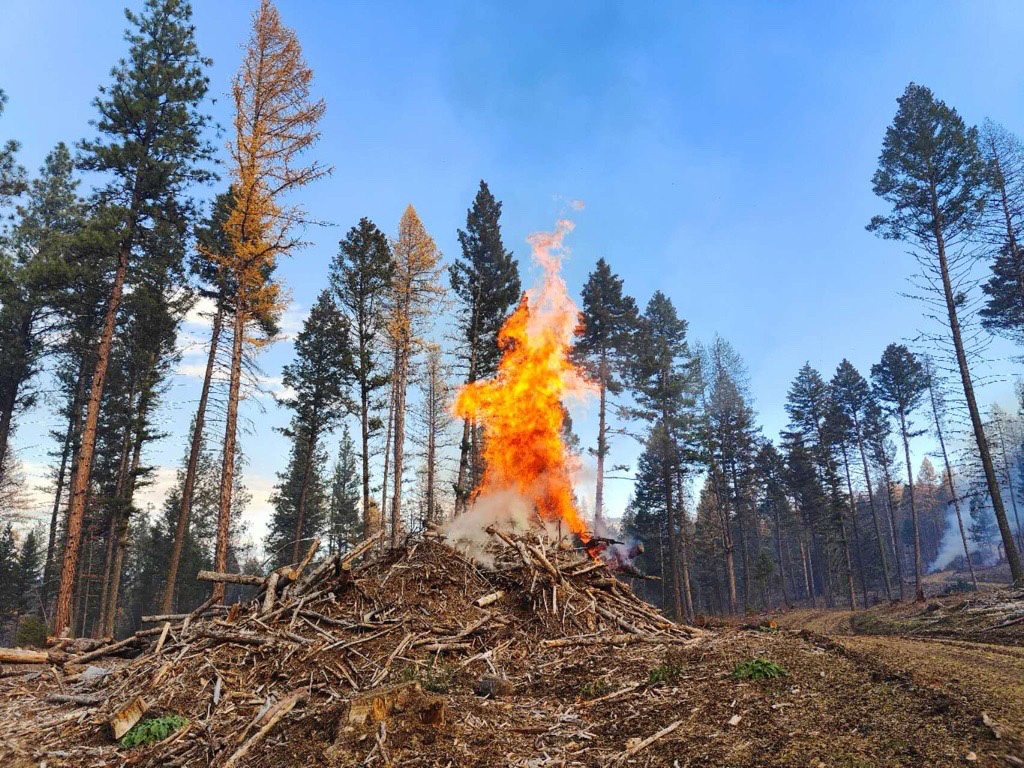
In Year 3, the FSS (Fire & Smoke Science) Team continued to expand field measurements and analysis of prescribed fire emissions at Lubrecht Experimental Forest, sampling emissions from seven broadcast burns and two pile burns.
Sampling operations were refined to characterize different stages of fire activity, including active ignition, post-ignition, and, when possible, extended overnight residual smoldering. Supporting information on fuels, fuel moisture, weather, area burned, fire behavior, and fuel consumption was compiled to help interpret variability among burns.
The team has started integrating these measurements to quantify emission ratios and emission factors and to investigate how emissions vary with combustion conditions and fire behavior. Additionally, current analyses are comparing emissions from prescribed burns with wildfire emissions documented through aircraft measurements across the Western U.S. and in previous laboratory and field studies. This should provide insight into how the chemical composition of prescribed fire smoke differs from wildfire smoke, which could further our understanding of the air quality effects associated with increased use of prescribed fire.
Strengthening Cyberinfrastructure for SMART FIRES Success
What is a search engine these days? That is the question driving the investigations of the SMART FIRES Research Visibility Team over the past year. As a part of the Research and Data Cyberinfrastructure (CYBER) Element, the Research Visibility Team led by Jason Clark (MSU) is aiming to understand how large language model (LLM) integration into search engines impacts information retrieval and understanding. Using analytics platforms to gauge baseline and ongoing website use, the team uses data to evaluate changing patterns in search engine use and information discovery. Using curated semantic web data as found in WikiData, the team experiments with the role of machine-readable data in surfacing SMART FIRES project information within search engine AI overviews. Undergraduate research assistant Emily Regalado (MSU) presented the Research Visibility Team’s findings at the National EPSCoR Summit 2026 in New Orleans, Louisiana in May, and will also present at the September 2026 SMART FIRES All Hands Meeting in Missoula.
Research Cyberinfrastructure (RCI), sometimes referred to as Research IT, is another key component of the CYBER Element. In Year 3, the team welcomed Flint Morgan (MSU) as a graduate research assistant. Flint is developing more accessible, machine-readable training resources to help SMART FIRES researchers use the Big Data Sharing Platform (BDSP) more effectively. At the same time, Myra Jamison (UM) and Michael Couso (UM) have been working with Coltran Hophan- Nichols (MSU) and Venice Bayrd (MSU) to identify opportunities for ongoing RCI collaboration and engagement between the University of Montana and Montana State University.
Learn More About the Big Data Sharing Platform (BDSP)
Join the All Hands Meeting student flash talks and poster session on Day 1 to hear from Flint about new BDSP training resources for researchers.
- CYBER Team Student Flash Talks (Session 2): 11:00-11:45 a.m.
- Student Poster Session: 3:30-5:00 p.m.
From Lab to Field: Optical Sensor Developments
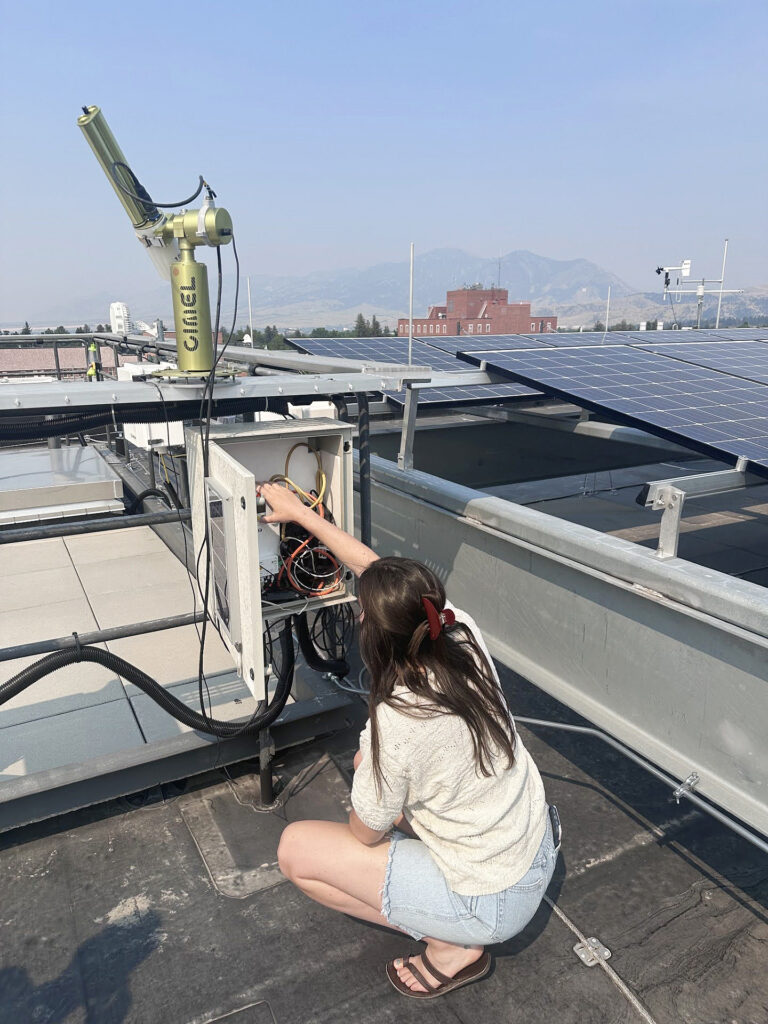
The SOS (Smart Optical Sensors) Team has been operating custom-designed optical remote sensing instruments on the Montana State University campus in Bozeman throughout much of Year 3. Lessons learned during the relatively light- smoke summer of 2025 informed deployment and data- processing methods that are now being applied during the smoke-heavy summer of 2026.
The All-Sky Polarization Imager (ASPI) and High Spectral Resolution Lidar (HSRL) have both been operating extensively this year. The lidar system measures the vertical distribution of smoke aerosols directly above the instrument, while the polarization imager captures data that reveal the horizontal distribution and size characteristics of smoke aerosols. Together, these instruments provide a unique opportunity to explore the complementary strengths of two advanced optical sensing technologies. The systems will also soon be deployed at field locations during prescribed fires.
To measure forest fuels when fire is not underway, the SOS team has developed a radio-controlled rover equipped with a hyperspectral imager and, potentially, additional optical sensors. The rover is designed to operate beneath the forest canopy, where aerial drones often cannot collect reliable measurements. The team ran the first field deployment of the rover-mounted hyperspectral imager at Lubrecht Experimental forest in August.
SPEE Team Highlights Research and Student Achievement
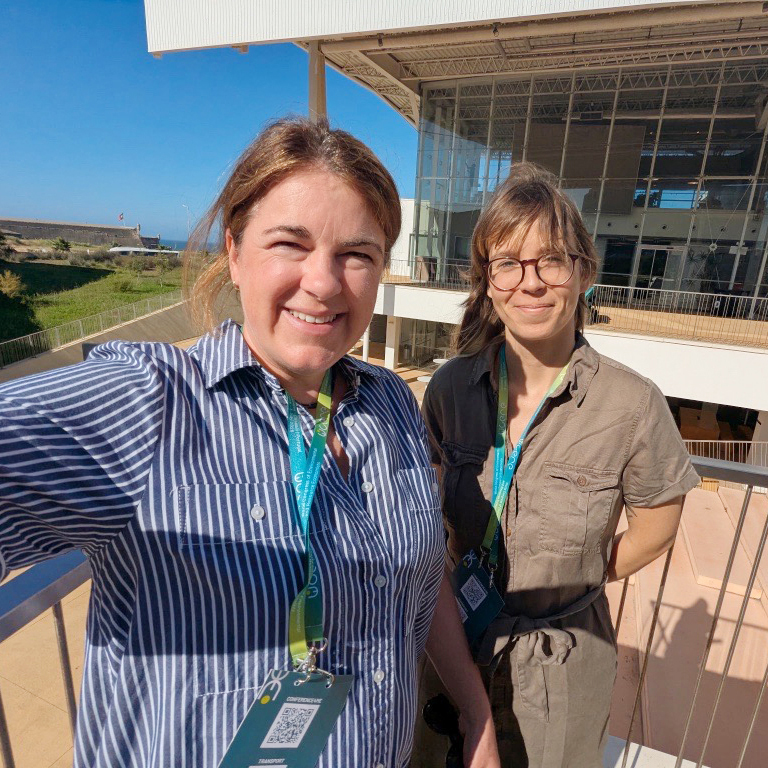
This summer, members of the SMART FIRES Social Psychology, Economics and Ethics (SPEE) team attended the World Congress of Environmental and Resource Economists (WCERE) in Cascais, Portugal, where they presented research supported by SMART FIRES.
Their presentation, Trading Smoke for Smoke: Household Willingness to Pay for Reductions in Wildfire and Prescribed Fire, used SMART FIRES survey data to examine how households value reductions in smoke from wildfires and prescribed burning. The study explored the tradeoffs people are willing to make between different sources and levels of smoke exposure, as well as the costs associated with reducing those exposures. The conference provided an opportunity to share SMART FIRES findings with environmental economists from around the world and engage in discussions about the social and economic dimensions of wildfire management.
The team also celebrated a major milestone this year as master’s student Jazzelle Elias earned her degree and will. continue her work with SMART FIRES as a Ph.D. student.
Artificial Intelligence and Machine Learning (AIML) Progress and Collaboration
The AIML Team achieved significant accomplishments this year in areas including risk assessment, fire interval modeling, and hyperspectral band selection.
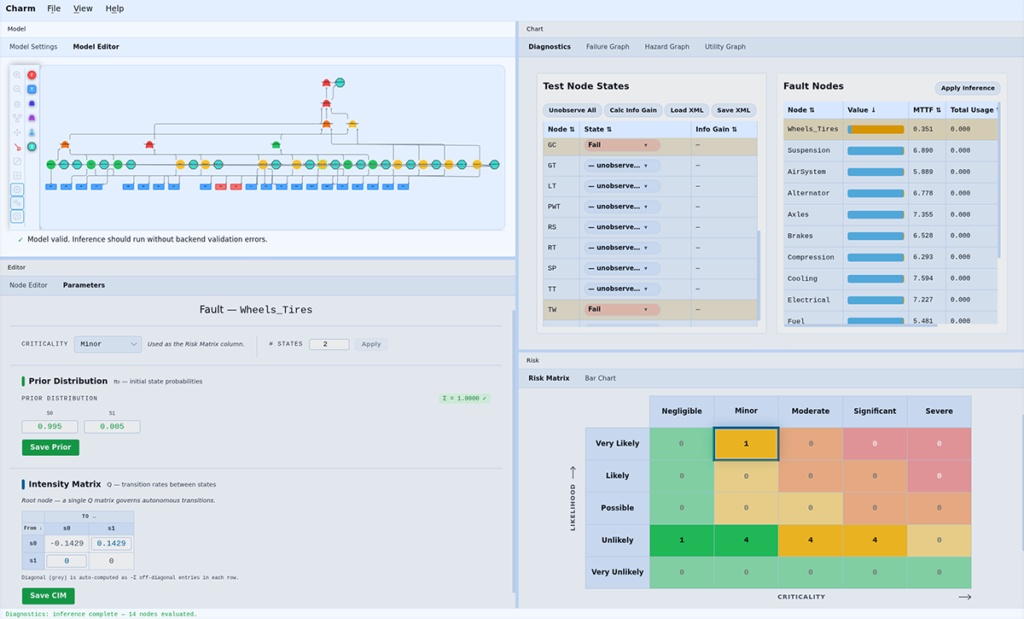
Following some personnel changes, work has continued on probabilistic risk assessment (PRA). The team identified a strategy for adapting continuous-time Bayesian networks to model continuous-state changes over time. The Continuous Time Hazard Analysis (CHARM) system has matured to the point that PRA models can now be developed in a user-friendly environment, while system optimizations have significantly improved analysis speed. This work has also produced a framework for latent time-series diffusion models that can learn complex state transitions, as well as an exact inference method for addressing data that are “missing not at random” (MNAR). In addition, the team developed a model to characterize the time between fires, known as the fire return interval.
The team also continued research on hyperspectral image classification, focusing on identifying the most informative spectral bands and creating “virtual bands” that group similar wavelengths. These advances improve the efficiency of processing high-dimensional hyperspectral data and will help inform the smart hyperspectral imager in development by the SOS (Smart Optical Sensors) Team.
We are also pleased to welcome Dr. Charlie Murphy, whose research focuses on formal methods. He will be working to develop a domain-specific language that supports the validation of fire management policies.
Students Present Interdisciplinary Research at National Summit
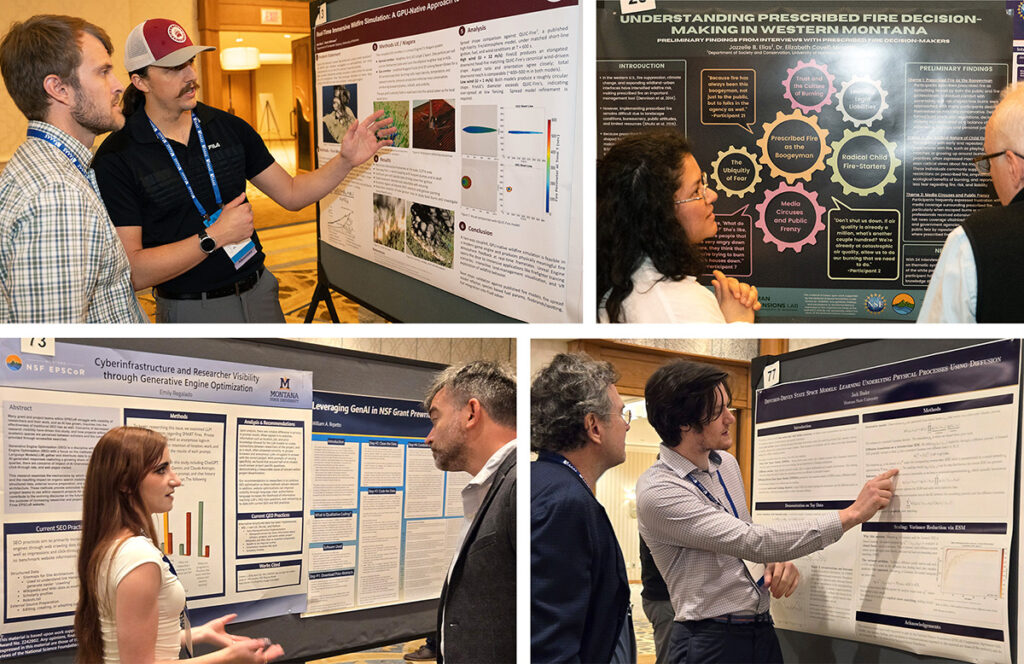
A contingent of faculty, staff, and students represented Montana at the 2026 NSF EPSCoR Annual Summit in New Orleans, Louisiana in May. The four-day event brought together researchers, educators, and NSF staff from EPSCoR jurisdictions across the country for presentations, networking opportunities, and discussions focused on building research capacity and workforce development.
Four of our student researchers presented posters highlighting the project’s interdisciplinary approach to fire science and related fields.
University of Montana
Graduate student Jazzelle Elias shared research on how land managers navigate prescribed fire decisions and the social and organizational factors that shape implementation. Jake Bova showcased an immersive, real-time wildfire simulation platform that combines fire spread and wind modeling in Unreal Engine.
Montana State University
Graduate student Jack Ruder presented a novel machine learning framework with potential applications for modeling wildfire and prescribed fire systems, and Emily Regalado shared research on Generative Engine Optimization (GEO), an emerging field focused on improving the visibility of research projects in AI-powered search environments.
Visit the New SMART FIRES Website
Explore research, project highlights, and educator resources: https://smartfires.mtnsfepscor.org
Early Career Development Awards (MSU Recipients)
Each year, SMART FIRES provides up to $5,000 in professional development funding to early-career faculty and postdoctoral scholars at MSU and UM whose work aligns with project objectives. UM recipients will be announced following the September 29 application deadline. Learn more about our funding opportunities.
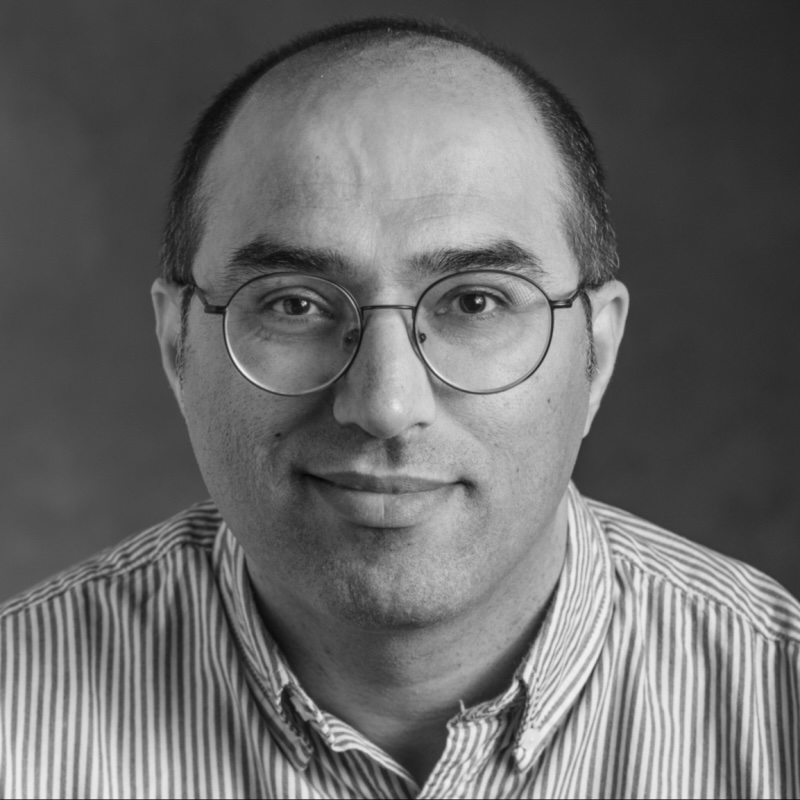
Ali Bazrafkan, Assistant Professor in Plant Sciences & Plant Pathology
Funding will support presenting research at AGU26, attending geospatial AI training, and collaborating with NASA and U.S. Forest Service scientists on AI-driven remote sensing to wildfire monitoring, fuel mapping, and post-fire recovery.

Kerstin Cullen, Assistant Research Professor in Earth Sciences
Funding will support attendance at ECMWF’s 2027 in-person training course on Satellite Data Assimilation to gain experience in ECMWF models, relevant satellite data sets for weather dynamics research/prediction, data assimilation, and machine learning techniques.
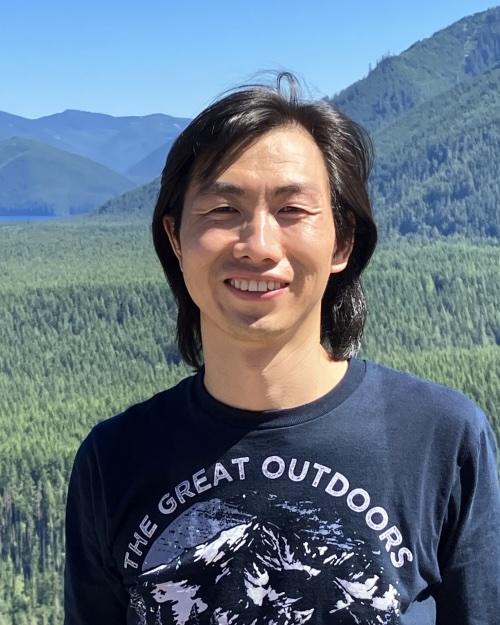
Siwei He, Assistant Professor in Civil Engineering
Funding will support attendance at the AGU Annual Meeting and a visit to the Missoula Fire Sciences Laboratory to strengthen interdisciplinary networks connecting hydrology, atmospheric science, and fire science.

Twila Yellow Horse, Assistant Research Professor, Assistant Director of the Caring for Our Own Program (CO-OP), and adjunct faculty in Native American Studies
Funding will support sharing Indigenous-centered teaching at the 2026 NRMERA conference and through collaboration in New Zealand for the 2027 REDTalks Summit.
New Faculty Spotlight: Dr. Charlie Murphy
The AIML Team welcomes Dr. Charlie Murphy to its research faculty. Charlie joined Montana State University in 2025 as an Assistant Professor in the Gianforte School of Computing. His research focuses on programming languages, software correctness, and computer security.
Prior to MSU, he was an Applied Scientist at Amazon Web Services (AWS), where he contributed to the Cedar open-source authorization policy language, and a Postdoctoral Research Associate at the University of Wisconsin-Madison. He earned a Ph.D. and M.A. in Computer Science from Princeton University and a B.S. in Computer Science from Ohio University’s Honors Tutorial College.

A Fond Farewell to Susie and Rayleen
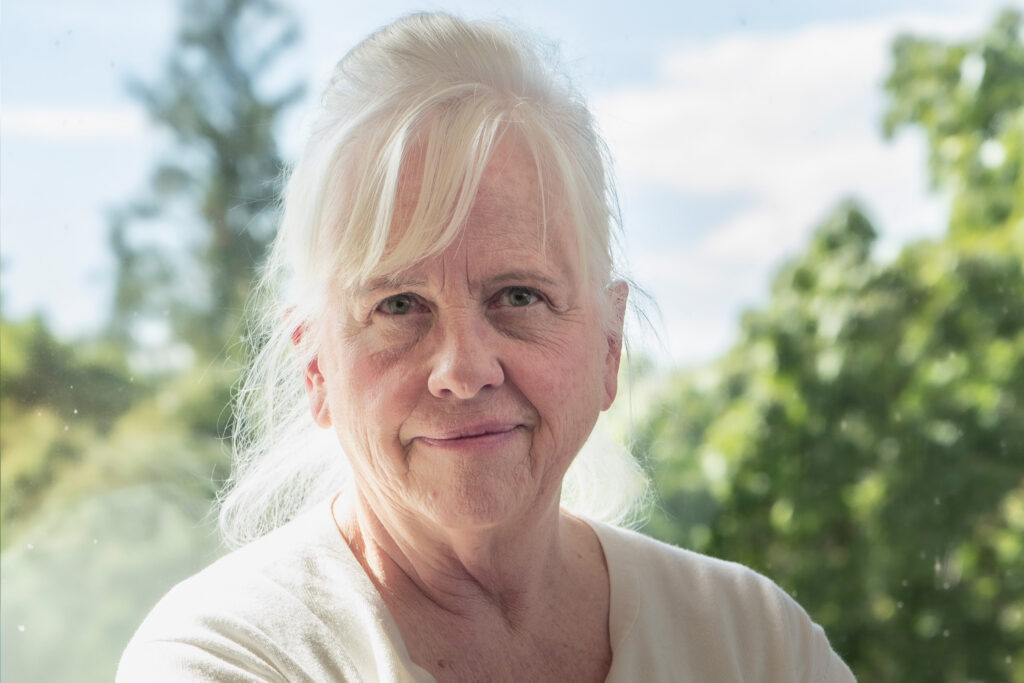
Susie Couch recently retired after more than 25 years of dedicated service to MSU and Montana NSF EPSCoR. Across four EPSCoR Track-1 projects, she earned a reputation for skillfully navigating the intersection of university administration, federal requirements, and project needs. Colleagues describe her as a trusted source of guidance, steadiness, efficiency, and humor who always found a way to get things done while keeping the bigger picture in mind. Her friendship, professionalism, and genuine care have touched the careers and lives of many. Susie will be greatly missed, and we wish her the very best in retirement.
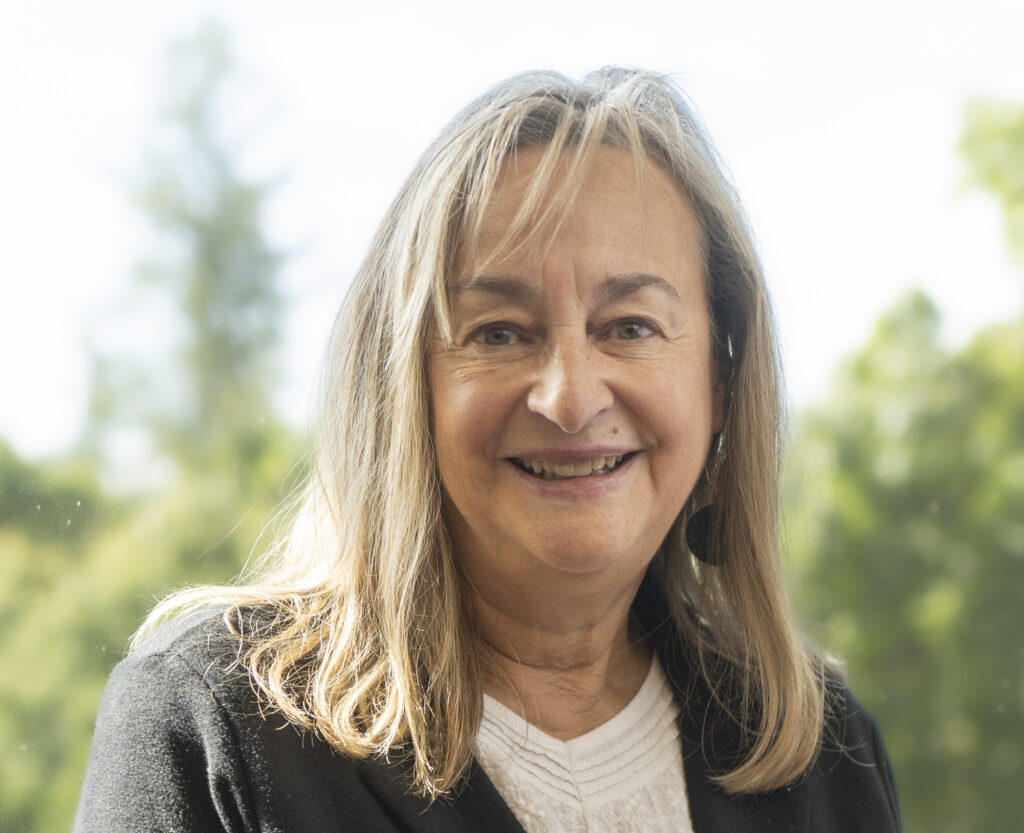
Rayleen Hicks retired this year after 17 years at UM, including the last decade serving as fiscal and operations director for several research centers and assisting with Montana NSF EPSCoR. Her knowledge of university policies and federal guidelines helped provide the stable fiscal foundation that allowed research programs and partnerships to grow. Colleagues remember Rayleen not only for her expertise, but also for quietly keeping things moving behind the scenes and offering support, patience, and a reassuring calm during challenges. Her kindness and dependability left a lasting mark on those who worked with her. Her steady presence is deeply missed, and we wish her continued joy in retirement.
Citizen Science Efforts Continue to Grow in Support of SMART FIRES Research
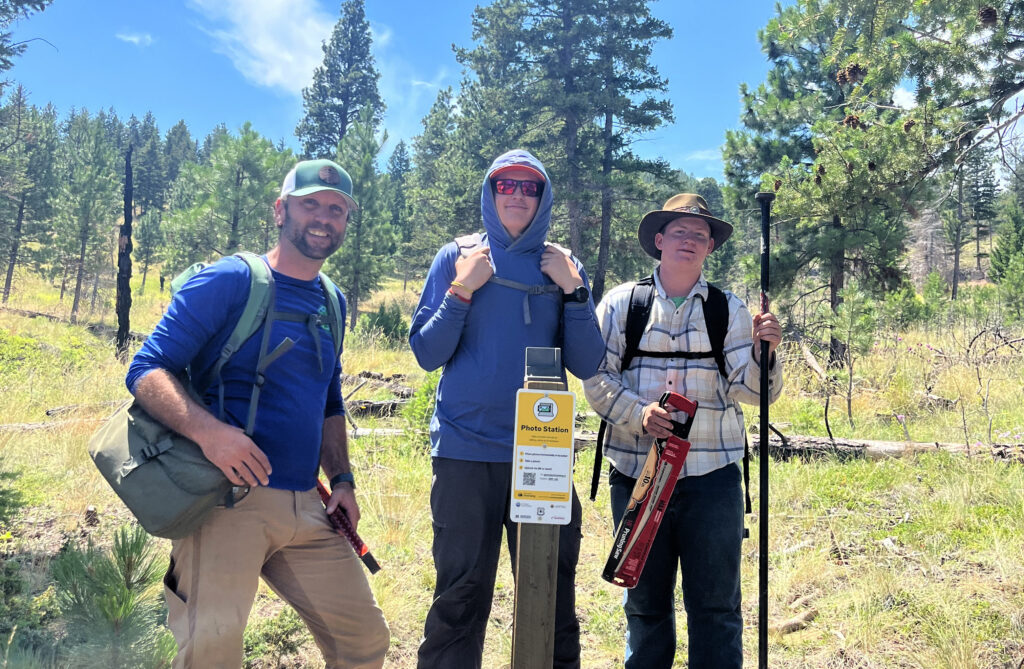
Across Montana, an effort is rapidly growing that will involve educators, students, families, and lifelong learners contributing data and observations about air quality, forest health, and community resilience to complement SMART FIRES research. This is citizen science!
Citizen science occurs when everyday people contribute to scientific research by collecting and submitting data and observations. Citizen science projects take place around the globe, with participation ranging from small local groups to thousands of volunteers. These efforts give participants a unique understanding of the research process while also accelerating scientific discovery.
Montana NSF EPSCoR is a founding partner of the Montana Citizen Science Network, a statewide effort to expand awareness of and participation in citizen science.
Recent activities include:
- This summer, we supported the installation of Chronolog photo monitoring stations on the MSU-Bozeman campus and south of Helena in the Helena – Lewis and Clark National Forest. Both stations allow community members to easily contribute to monitoring landscape change over time.
- At this year’s STEM Summer Institute for teachers, participants learned a Rapid Forest Assessment technique taught by David Tuss of Capital High School. The process teaches students to use scientific instruments and protocols to evaluate a forest landscape’s vulnerability to fire. Teachers in Hardin, Crow Agency, Superior, and Ashland will be implementing the technique with their students this fall.
Looking ahead, SMART FIRES-supported citizen science efforts include pilot-testing a new project called Smoke, Sky & Me with teachers from the NSF-funded Research Experience for Teachers program and other educational initiatives. Elementary students will take daily air quality measurements, especially during wildfire season, while considering how air quality affects their daily lives and well-being. Students will also learn how SMART FIRES researchers monitor air quality using scientific instruments and study the impacts of smoke on communities. Additional fall activities include a citizen science session at a Montana educator conference in Great Falls, outreach to pre-service educators (future science teachers), and continued expansion of the Montana Citizen Science Network to libraries and community organizations across the state. Learn more about our citizen science programs.
Science on Wheels Expands SMART FIRES Outreach
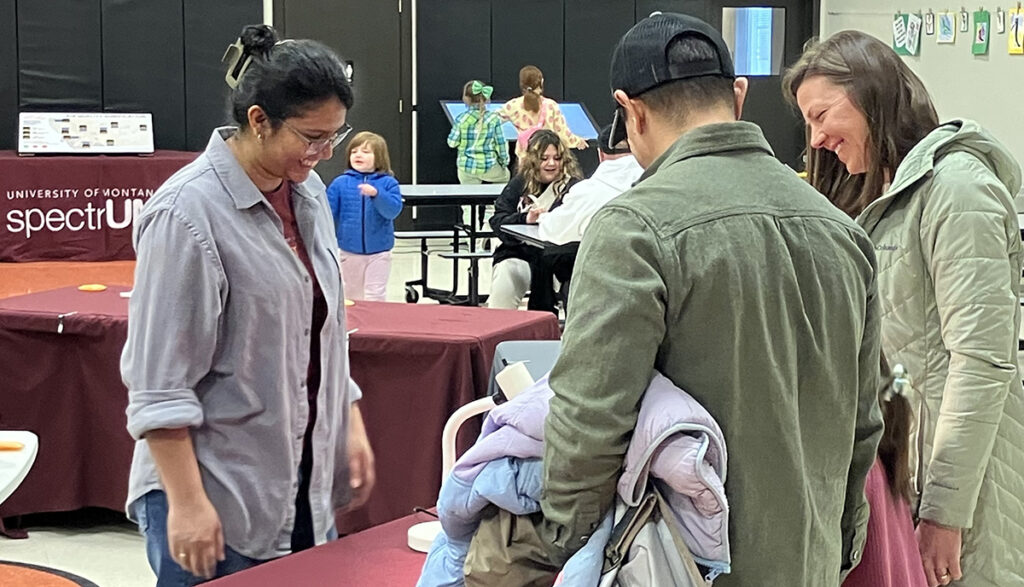
spectrUM’s Science on Wheels program brings SMART FIRES exhibits and activities to communities across Montana. This year, more than 600 students and family members in Creston, West Glacier, and Frenchtown learned about our research and had the opportunity to step into the shoes of a scientist studying wildfires. Additionally, 800 children and caregivers explored spectrUM’s Science Learning Tent at the Arlee Celebration and Standing Arrow Powwow in Elmo in July. SMART FIRES research associate Ali Monroe joined spectrUM educators to facilitate hands-on activities at the Science Learning Tent in Arlee. These outreach efforts extended the broader impacts of our research by increasing access to wildfire science and strengthening STEM learning opportunities.